
Croatia joined the Eurozone in 2023 and has been covered by most EU eSIM regional plans since. If you already have a Europe eSIM plan, it almost certainly includes Croatia - check the country list before buying a dedicated plan.
Coverage overview
Hrvatski Telekom (HT) and A1 Croatia are the main networks. Coverage in the Dalmatian coast cities, islands, and tourist areas is strong. Inland and in some of the less-visited national parks, it thins out.
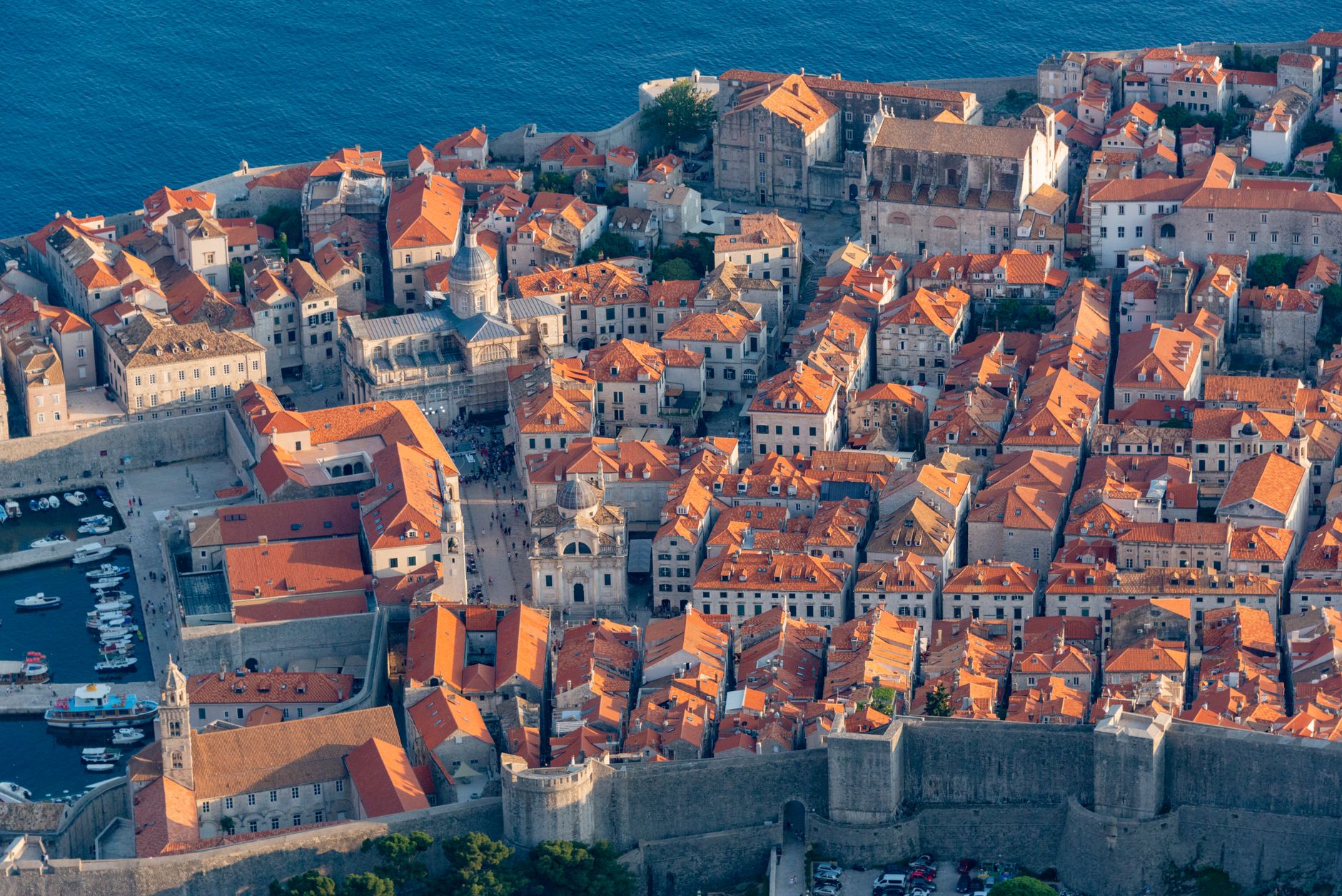
Dubrovnik: Excellent everywhere in the old city, Lapad, and Babin Kuk. The city walls walk has full signal - useful for Maps and the audio tour apps. The cable car up to Mount Srd has coverage at the top.
Split: Solid throughout. Diocletian's Palace (where most of the old town restaurants and bars are) has good signal.
Hvar: The main town of Hvar and Stari Grad have good 4G. The lavender fields in the interior are patchier. Jelsa and other smaller towns are fine.
Korcula: The old town has coverage. Rural areas of the island are more variable.
Vis: Vis town and Komiza have signal. More remote parts of this less-touristed island can be patchy.
Plitvice Lakes National Park: The main tourist areas and the paths between the upper and lower lakes have reasonable coverage. Deep in the forest sections it drops. Download the park map offline - navigation is useful when the paths fork.
Istria (Pula, Rovinj, Porec): Well-covered. Rovinj in particular is excellent.
Practical notes
Croatia is a boat-ferry destination - island hopping is how most people travel the coast. Jadrolinija ferry routes between Split and the islands have variable signal on open water. Download your accommodation info and offline maps before boarding.
Driving the coast
The Croatian coast road (D8 highway) runs from Rijeka down to Dubrovnik and is a really scenic drives in Europe. Coverage along it is generally solid, with occasional drops in the more rugged sections south of Split. If you're driving, Google Maps navigation works well, but be aware that the drive from Split to Dubrovnik takes about 4.5 hours with the Bosnia border crossing at Neum (yes, you briefly enter Bosnia and Herzegovina).
You'll need data at the Neum border crossing to pull up any documents, and your EU eSIM plan should still work in that short BiH section since most plans include Bosnia. Double-check before you go, though. The crossing itself takes 10-30 minutes depending on the queue.
Island hopping logistics
The Jadrolinija website and app are essential for planning ferry routes. Schedules change seasonally, and popular routes (Split to Hvar, Split to Brac) can sell out in peak summer. Having data to check real-time availability and book tickets from your phone saves queuing at the port office.
Catamaran services are faster than the car ferries but more expensive and less frequent. Krilo and TP Line run catamaran routes along the coast. These are the ones that sell out fastest for popular islands like Hvar and Korcula during July and August.
Game of Thrones tourism
Dubrovnik gets a lot of visitors specifically because of the show. If that's part of your plan, having data is useful for following self-guided filming location tours. Several free walking tour apps mark the exact spots where key scenes were filmed - Fort Lovrijenac (the Red Keep), the Jesuit Steps (the Walk of Shame), Lokrum Island (Qarth gardens). Beats paying 40 euros for a guided tour if you're comfortable exploring on your own.
Food and restaurants
Croatian coastal restaurants are generally good but vary in value. The seafood places right on the Dubrovnik harbour are beautiful but expensive. The ones a few streets back in the old town serve similar food at half the price. Google Maps reviews help you find the local spots. Konoba-style restaurants (traditional family-run places) are almost always better value than the ones with English menus displayed outside.
Swimming spots and beach apps
Croatia's coastline is famous for incredibly clear water. The beaches are mostly rocky or pebbly (pack water shoes), and the best swimming spots aren't always obvious from the road. Google Maps satellite view is surprisingly useful for finding hidden coves and swimming spots along the coast. Look for the turquoise patches in the satellite imagery - those are the shallow, protected areas with the best swimming.
The Beaches of Croatia app and various local tourism websites list beaches by amenities (showers, parking, shade, food nearby). Having data to check these while driving the coast saves you from parking, hiking down to a beach, and discovering it's not what you wanted.
Plan options
Croatia is covered by EU regional plans, which is usually the better choice for anyone doing a wider Balkans or Mediterranean trip. For Croatia-only travel, a 5GB plan covering 7-10 days is adequate. Two weeks of active island hopping with lots of Maps and ferry app usage might push you toward 8GB. Check /esim-in-croatia on getesimonline.com for specific plan options.
Get Your eSIM for Croatia
Check our Croatia eSIM plans for Dubrovnik, Split, and the islands. Combining with Italy or Greece? We cover the whole Mediterranean.
Ready to get connected?
Browse affordable eSIM data plans for 200+ countries. Instant activation, no roaming fees.
Browse eSIM PlansTraveling to Croatia?
Browse affordable eSIM data plans for Croatia. Plans start from $1.14. Instant activation, no roaming fees.