
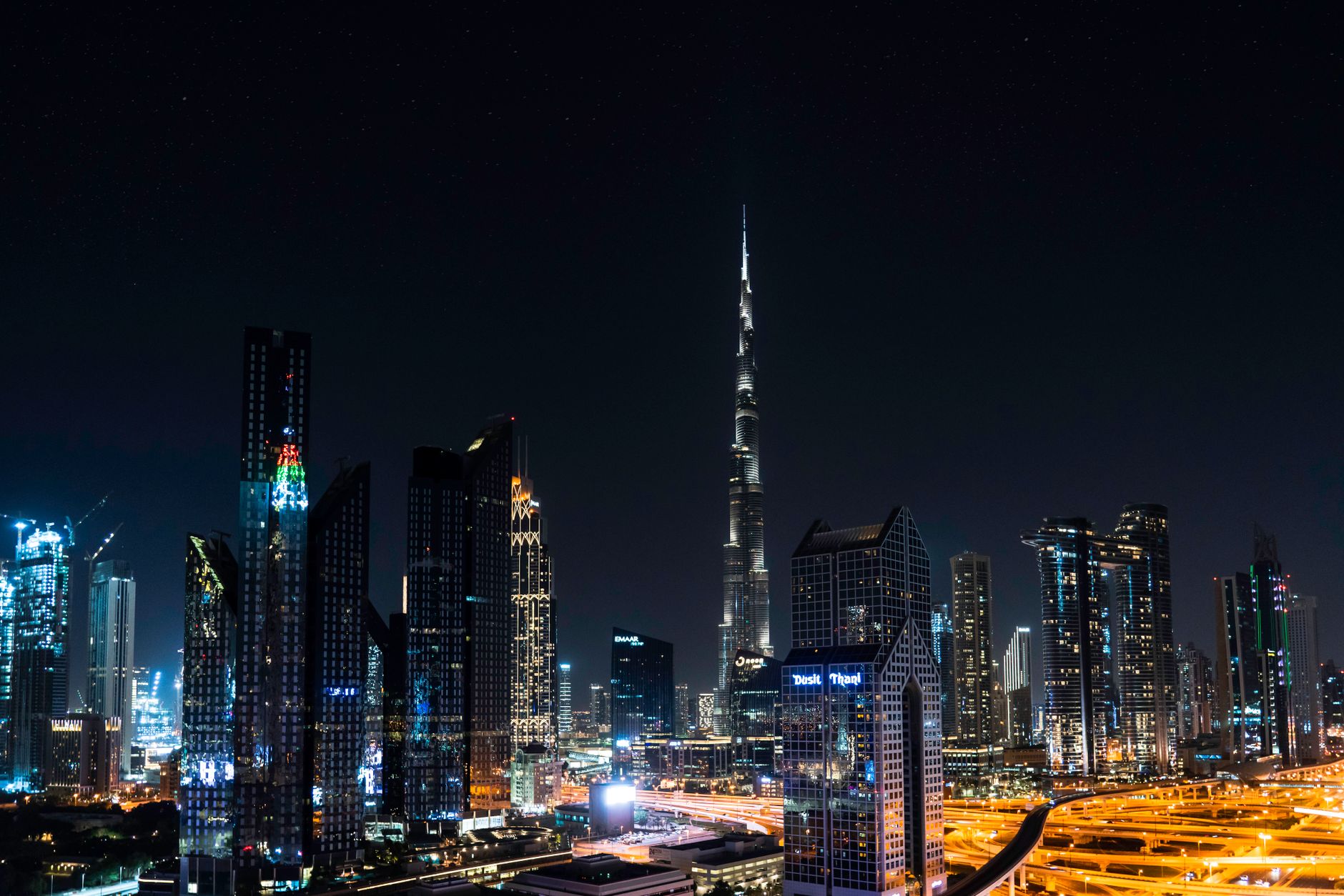
Dubai has some of the most impressive mobile infrastructure in the world. The UAE's two carriers - Etisalat (now branded as e&) and du - have built out 4G and expanding 5G coverage across Dubai, Abu Dhabi, and the main urban areas. You won't have signal problems in the city.
eSIM in the UAE: what to know
The UAE has been cautious about enabling third-party eSIM activation, and for a period there were restrictions on international eSIM providers operating in the market. The situation has improved, but it's worth confirming your specific plan works in the UAE before you travel - not all international eSIM plans are fully functional here.
VoIP services including WhatsApp calls, FaceTime audio/video, and Skype have historically been restricted in the UAE. Regulations have relaxed somewhat but the situation changes periodically. Data messaging via WhatsApp works fine. If voice calls over internet matter to you, check the current status before you travel.
This VoIP situation is worth understanding before you go. Many travellers arrive expecting to FaceTime their family and get frustrated. Standard voice WhatsApp messages (text) work perfectly. The voice and video calling restriction applies to the underlying VoIP protocol, so it affects most internet calling apps. Some VPNs can work around this, but using a VPN to bypass UAE telecom restrictions is technically illegal - most people do it anyway, but you should know the situation.
Coverage
Dubai city: excellent 4G, 5G in commercial and tourist areas (Downtown Dubai, Dubai Marina, JBR, DIFC). Abu Dhabi: same quality. Sharjah, Ajman, and the other emirates: solid 4G in urban areas.
The desert areas (Dubai Desert Conservation Reserve, road to Hatta) have surprisingly decent coverage on major roads. True desert safari areas can drop to 3G or nothing, which honestly shouldn't matter since you're on a guided tour.
The Dubai Metro has signal throughout, including underground sections. The tram along JBR and Dubai Marina is well-covered too. You can explore the whole public transport system with a live data connection, which makes getting around as a tourist much easier than trying to memorise routes.
How much data in Dubai?
Dubai is very navigation-heavy - the city isn't walkable in the traditional sense and even within areas like Downtown or the Marina, you'll use Maps constantly. Careem (the regional Uber equivalent, owned by Uber) uses data for every ride. A week in Dubai with typical tourist activities will burn through 3-4GB without trying.
For a standard week-long Dubai trip: 5GB is comfortable. For two weeks or if you're visiting multiple emirates: 8-10GB. If you're doing a lot of social media posting with high-res photos from the Burj Khalifa observation deck or desert safari shots, add a couple of GB to your estimate.
Abu Dhabi day trips
Most Dubai visitors do at least one day trip to Abu Dhabi - the Sheikh Zayed Grand Mosque, Louvre Abu Dhabi, Yas Island. It's about 90 minutes by car and your eSIM coverage continues without any change since both cities use the same UAE networks. The drive along the E11 highway has continuous signal the entire way.
Saadiyat Island's cultural district and the Corniche area have excellent coverage. If you're heading to the newer attractions like the Jubail Mangrove Park, signal is good there too.
Plans
Check /esim-in-united-arab-emirates for current plan options. GEO offers UAE plans with local network access on getesimonline.com. Prices for a 5GB/7-day UAE plan typically range from 8-15 GBP depending on the validity and data included.
Practical tips
Download the Careem app before you arrive and register your payment card - it's far easier than hailing taxis and cheaper too. The Dubai Metro app (RTA Dubai) is useful for getting around the rail lines. Both need an active internet connection, which is your eSIM's main job for the first few hours of any Dubai trip.
The RTA app also handles water taxis (abras) across Dubai Creek and the newer ferry services. If you're exploring old Dubai - the Gold Souk, Spice Souk, and Al Fahidi historic district - the abra crossing is 1 AED and you can figure out the route with your Maps app and a working data connection.
A good tip for mall navigation: the Dubai Mall, Mall of the Emirates, and other massive shopping centres have their own apps with indoor maps. Download them on Wi-Fi and save your mobile data. Getting lost in the Dubai Mall is a genuine possibility - it's over 1,200 stores and even regular visitors use the map.
Weather and seasonal considerations
Dubai's summer (June through September) means temperatures above 45C regularly. You'll spend most of your time indoors in air-conditioned malls, hotels, and restaurants. This actually means less data usage since indoor venues almost always have Wi-Fi. Winter (November through March) is the peak tourist season with comfortable outdoor temperatures, and you'll use more data exploring outdoor attractions, beach areas, and desert excursions.
Ramadan timing affects some aspects of daily life including restaurant opening hours and public behaviour expectations. Having data to quickly check which restaurants are open during daytime fasting hours saves a lot of walking around. Google Maps usually reflects Ramadan hours for major establishments.
Get Your eSIM for Dubai and the UAE
Ready to connect? Browse our UAE eSIM data plans for Dubai, Abu Dhabi, and all seven emirates. Also visiting the region? See plans for Saudi Arabia and Oman.
Ready to get connected?
Browse affordable eSIM data plans for 200+ countries. Instant activation, no roaming fees.
Browse eSIM Plans