
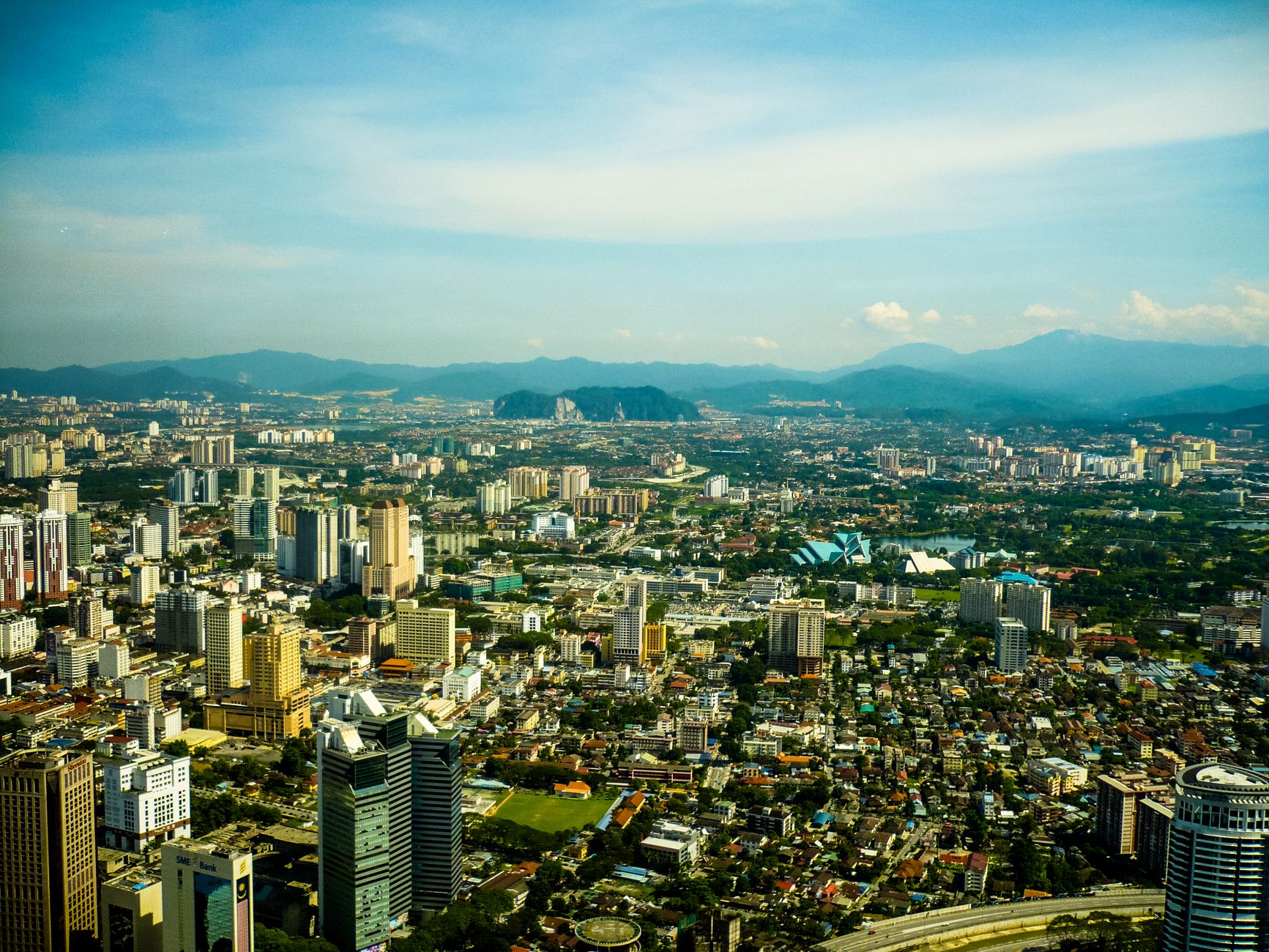
Malaysia punches way above its weight as a travel destination. You've got the Petronas Towers and incredible street food in KL, colonial charm and hawker culture in Penang, and white sand beaches in Langkawi - all connected by cheap flights and decent infrastructure. What makes it even better? Mobile coverage here is genuinely good, and with an eSIM, you can be online before you clear immigration at KLIA.
Why an eSIM Makes Sense in Malaysia
Malaysia has three major carriers: Celcom, Maxis, and Digi (now merged into CelcomDigi). Coverage across Peninsular Malaysia is excellent - we're talking 4G in most towns, along highways, and across popular tourist areas. East Malaysia (Sabah and Sarawak) has some gaps in remote jungle areas, but cities like Kota Kinabalu and Kuching have solid coverage.
You could buy a prepaid SIM at KLIA for around RM15-30 ($3-7), but the registration process requires your passport and can take 20-30 minutes during peak arrivals. An eSIM sidesteps all of that. Install it before your flight, and you're connected the moment you turn off airplane mode.
Choosing the Right Malaysia eSIM Plan
Data Needs by Trip Type
A weekend in KL? 3GB is plenty. A two-week trip covering KL, Penang, the Cameron Highlands, and Langkawi? You'll want 10GB minimum, especially if you're using Grab (Malaysia's ride-hailing app) multiple times daily. Grab alone can eat 50-100MB per day with GPS tracking and in-app messaging.
Speed and Network Quality
Malaysia's 4G speeds typically range from 15-40 Mbps in urban areas. That's fast enough for video calls, streaming, and uploading photos without any frustration. Some eSIM providers connect to CelcomDigi's combined network, which gives you the widest coverage footprint in the country.
Destination Guide: Where Data Matters
Kuala Lumpur
KL is a city built for apps. Grab is essential - taxis here are unreliable and often won't use meters. Google Maps helps you get around the confusing highway interchanges and find hidden gems in neighborhoods like Bangsar and Chow Kit. You'll also want data for translating Malay menus at local spots that don't cater to tourists. The Batu Caves, KLCC, and Bukit Bintang areas all have excellent 4G coverage.
Penang
George Town's street art scene is best explored on foot with Google Maps guiding you to each mural. The famous hawker stalls - Gurney Drive, New Lane, Kimberley Street - don't always show up accurately on maps, so having data to cross-reference food blogs in real time is clutch. Coverage on Penang Island is strong everywhere, including Penang Hill.
Langkawi
This duty-free island has good coverage in Pantai Cenang, Kuah town, and along the main roads. Signal can weaken in the interior jungle areas and some smaller beaches on the north coast, but it's generally reliable. You'll use data for booking island-hopping tours, checking sunset times, and finding the best restaurants away from the tourist strips.
Cameron Highlands
Coverage is decent along the main roads and in Tanah Rata town. It gets spotty on some hiking trails, particularly the longer mossy forest treks. Download offline maps before heading into the highlands - not because coverage is terrible, but because it's inconsistent enough on trails that you don't want to rely on it for navigation.
Borneo (Sabah & Sarawak)
Kota Kinabalu and Kuching have great 4G. If you're heading to Kinabalu National Park, coverage exists at the base and lower trails but fades at higher elevations. The Danum Valley and remote longhouse visits in Sarawak will have minimal signal. For these trips, an eSIM still beats the alternative - you get coverage everywhere it exists, and it costs nothing extra when there's no signal.
Setting Up Your Malaysia eSIM
Before you fly:
- Visit getesimonline.com and pick a Malaysia or Southeast Asia data plan
- Scan the QR code to install the eSIM profile on your phone
- Label it "Malaysia Data" in your phone settings
- Keep your home SIM active for calls/texts if needed
- Switch your data line to the eSIM once you land
The whole process takes under 5 minutes. If you're visiting multiple Southeast Asian countries, consider a regional eSIM plan that covers Malaysia, Singapore, Thailand, and Indonesia under one profile. It's usually cheaper than buying separate country plans.
Malaysia-Specific Tips
Grab Is Non-Negotiable
Seriously, download Grab before you arrive. It handles rides, food delivery, and even payments at some stores. Without mobile data, you can't hail a ride, and KL's public transport doesn't reach everywhere you'll want to go.
Google Translate for Malay and Chinese
In food courts and local markets, menus are often in Malay or Chinese. The Google Translate camera feature (point your phone at text) needs data to work and saves you from accidentally ordering something you didn't expect.
Touch 'n Go eWallet
Malaysia's popular e-wallet works at most restaurants, convenience stores, and even some street vendors. While it requires a Malaysian phone number to set up fully, having data lets you use the international alternatives and contactless payments instead.
How Much Data Will You Actually Use?
Based on typical Malaysia travel patterns:
- Light usage (maps, messages, occasional photos): 300-500MB/day
- Moderate usage (social media, Grab, video calls): 700MB-1GB/day
- Heavy usage (streaming, hotspot sharing, constant uploads): 1.5-2GB/day
For a 10-day trip with moderate usage, a 10GB plan from getesimonline.com gives you comfortable headroom without worrying about running out.
Final Thoughts
Malaysia is one of the easiest countries in Southeast Asia to stay connected in. The networks are fast, the coverage is broad, and an eSIM removes the only friction point - getting that SIM card set up when you arrive. If you're hopping between KL's skyscrapers and Penang's hawker stalls or chasing sunsets in Langkawi, your eSIM keeps everything running smoothly from day one.
Get Your eSIM for Malaysia
Browse our Malaysia eSIM plans for KL, Penang, and Langkawi. Also visiting Singapore or Indonesia? We cover the whole region.
Ready to get connected?
Browse affordable eSIM data plans for 200+ countries. Instant activation, no roaming fees.
Browse eSIM PlansTraveling to Malaysia?
Browse affordable eSIM data plans for Malaysia. Plans start from $1.40. Instant activation, no roaming fees.