
Egypt's mobile infrastructure has improved substantially over the last few years, particularly in tourist areas. Cairo, Luxor, Aswan, Hurghada, and Sharm el-Sheikh all have reliable 4G. The desert interior and some rural areas are a different story, but most tourists don't venture there anyway.
Networks
Three main carriers: Vodafone Egypt, Orange Egypt, and Etisalat Egypt (now e&). Vodafone has the widest coverage and is the network most international eSIM plans use when roaming in Egypt. Coverage in the Nile Valley towns, Red Sea coast, and Sinai Peninsula resort areas is consistently 4G.
Coverage by area
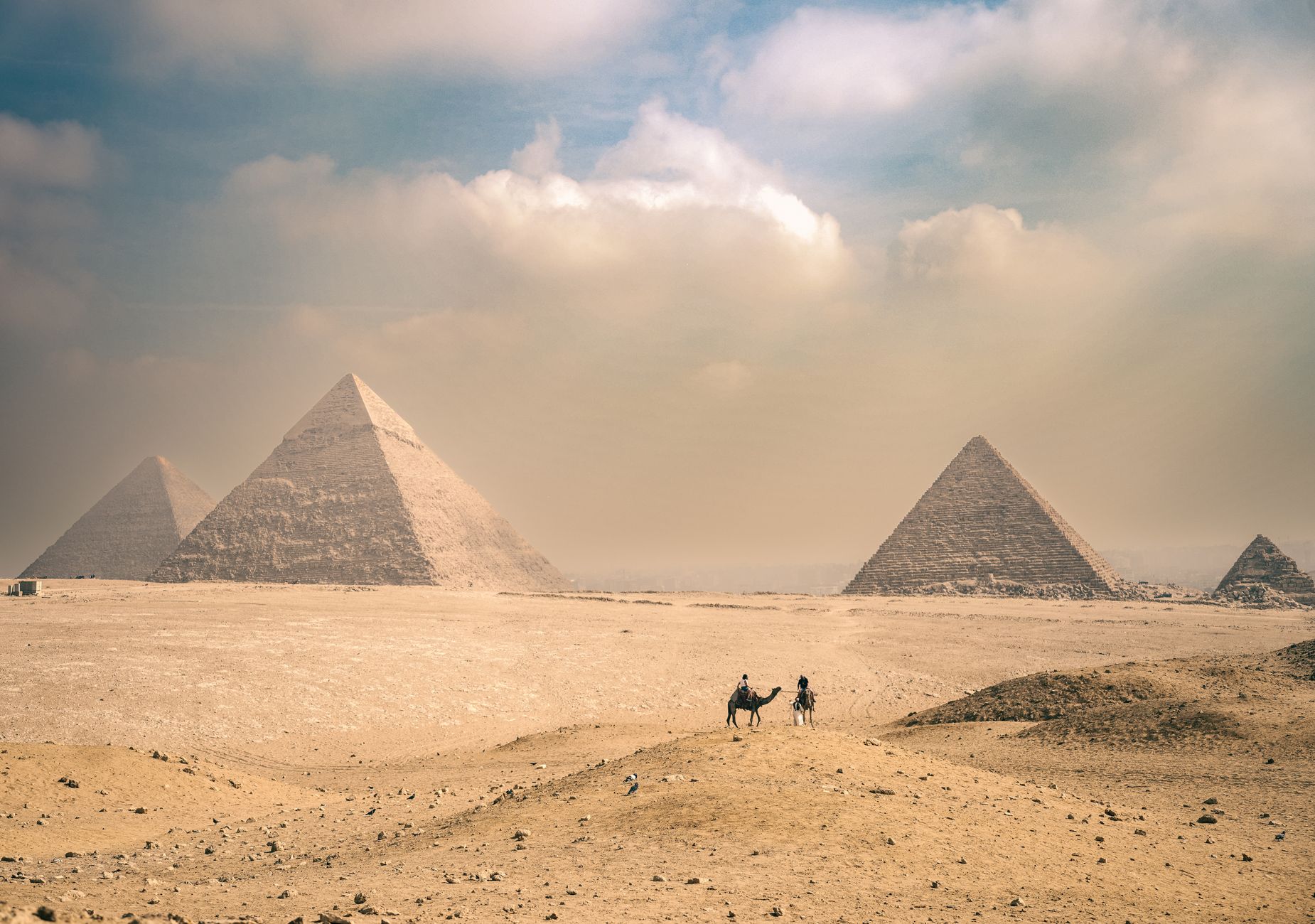
Cairo: Excellent. The city centre, Islamic Cairo around Khan el-Khalili, Zamalek, Maadi - all solid. The Pyramids at Giza are well-covered, which means you can look up that one piece of history you half-remember while standing in front of them.
Luxor and Aswan: Surprisingly good. The main sites on both banks of the Nile (Karnak, Valley of the Kings, Philae Temple) have decent signal. The slow ferry across the Nile from Luxor has coverage throughout.
Hurghada and the Red Sea coast: Resort areas are well-covered. El Gouna is excellent. The dive sites offshore vary - close-in reefs have signal; anything further out loses it once you're on a dive boat.
Sharm el-Sheikh: Solid in the main resort areas (Naama Bay, Old Market). South Sinai generally has decent Vodafone coverage along main roads.
Nile cruise: Variable. Major stops (Edfu, Kom Ombo) have signal. Between stops, you may have intermittent 2G or nothing. Download books, podcasts, and offline maps before boarding.
eSIM vs local SIM
Local SIMs in Egypt require passport registration. The process at the airport kiosk is straightforward and the SIMs are very cheap - a Vodafone Tourist SIM with 20GB for two weeks costs around EGP 200-300 (less than 5 pounds at current exchange rates). Price-wise, it's very competitive.
eSIM wins on convenience and pre-arrival peace of mind. For a first-time Cairo visit where you want Maps working immediately at the airport, it's worth paying a small premium.
How much data?
A week in Cairo plus a Nile cruise: 4-5GB is comfortable. The cruise itself will use less data. Two weeks including Red Sea resort time: 5-8GB.
Cairo traffic and getting around
Cairo traffic is legendary for good reason. The city has around 20 million people and the roads reflect it. Having data for ride-hailing is practically a necessity. Uber works in Cairo and is by far the easiest way to get around. Careem (now owned by Uber) is the other option. Both need active data to book and track rides.
The Cairo Metro covers three lines and is actually very efficient for getting between key areas. It costs almost nothing (a few Egyptian pounds per trip). Google Maps has the Metro routes, so you can plan transfers on your phone. The stations are labelled in Arabic and English, but knowing which exit to take saves time - Maps helps with that.
Visiting the Pyramids with data
At Giza, having data means you can fact-check the guides who approach you at the entrance. Some are excellent and knowledgeable. Others will tell you things that aren't quite accurate and charge premium prices. A quick Google while walking between the Great Pyramid and the Sphinx helps you separate the real history from the tourist-friendly versions.
Also useful: checking current entrance fees online before you pay. Prices at Egyptian sites change periodically, and knowing the official rate prevents overpaying at the ticket counter.
Desert trips and offline prep
If you're heading to the Western Desert (White Desert, Siwa Oasis) or doing a Sinai hiking trip (Mount Sinai, St. Catherine's), cellular coverage drops significantly outside towns. These trips are worth doing, but prepare your phone accordingly. Download offline maps of the entire route, save your hotel/camp GPS coordinates, and screenshot any booking confirmations. You might be offline for 6-12 hours at a stretch in desert areas.
Siwa Oasis itself has coverage in town - it's remote but not completely cut off. The road between Marsa Matrouh and Siwa (about 300 km of desert highway) has long stretches with no signal at all.
The Nile cruise connectivity strategy
Nile cruises between Luxor and Aswan typically take 3-5 days. You'll stop at major temples (Edfu, Kom Ombo) where coverage is reliable, but the stretches between stops can be completely offline. Use the port stops strategically: download your next few days of entertainment, sync your emails, and upload photos while you've got signal. The onboard WiFi (if the cruise ship offers it) is usually painfully slow and sometimes costs extra.
Bring a physical guidebook or download a good Egypt guidebook to your Kindle before the trip. Reading about the history of Kom Ombo while you're approaching it by boat is a great experience, and you won't always have data to search for info.
Plan options
See /esim-in-egypt on getesimonline.com for current plan options. For most Egypt trips, a 5-10GB plan with 15-30 day validity covers everything comfortably.
Get Your eSIM for Egypt
Browse our Egypt eSIM plans for Cairo, Luxor, and the Red Sea. Also visiting the region? See plans for Jordan and Turkey.
Ready to get connected?
Browse affordable eSIM data plans for 200+ countries. Instant activation, no roaming fees.
Browse eSIM PlansTraveling to Egypt?
Browse affordable eSIM data plans for Egypt. Plans start from $2.60. Instant activation, no roaming fees.