Mexico is a big country with very uneven mobile infrastructure. Mexico City has fast 4G in most neighbourhoods. The Yucatan Peninsula resort areas are well-covered. Drive a few hours into rural Oaxaca or highland Chiapas and you'll find significant gaps.
Mexico City (CDMX)
CDMX is genuinely well-connected. Telcel and AT&T Mexico both have solid 4G coverage across the main colonias. Roma Norte, Condesa, Polanco, Centro Historico - all excellent. The Metro itself has variable signal depending on the line and depth, but surface stations are fine.
Uber works great in the city and uses data actively for pickup and navigation. Cabify is the alternative. Both are preferable to street taxis in most situations.
Yucatan and the Caribbean coast
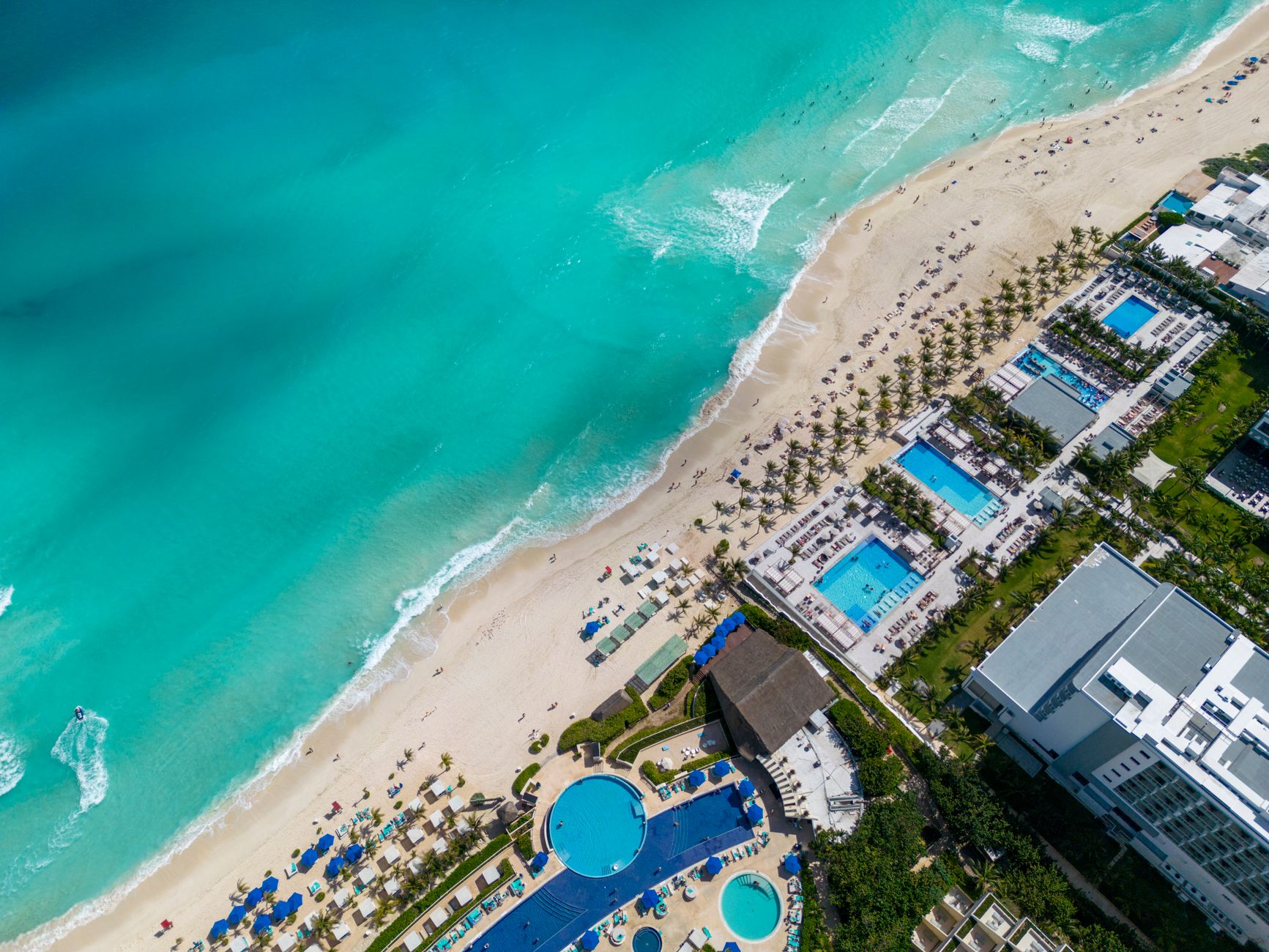
Cancun: Resort zone and Hotel Zone are well-covered. Downtown Cancun is fine too.
Tulum: The hotel zone along the beach road has mostly decent 4G. The town itself is well-connected. The biosphere reserve and more remote cenotes will lose signal.
Playa del Carmen: Excellent coverage along 5th Avenue and surrounding areas. Good choice as a connectivity base for the region.
Merida: Solid 4G in the city. Rural areas around the Puuc archaeological sites (Uxmal, Kabah) can be patchy - Uxmal itself has signal in the parking area, not always on the site.
Chichen Itza: The main archaeological zone has decent signal. The surrounding road has coverage. This area is well-touristed so coverage is prioritised.
Oaxaca, Chiapas, and off-the-beaten-path Mexico
Oaxaca city is fine. The Central Valleys (Monte Alban, Mitla, Hierve el Agua) have coverage on the roads but gaps in very remote areas. The Sierra Norte villages used for hiking and cycling tourism can be very patchy.
San Cristobal de las Casas has coverage. The surrounding Chiapas highlands are genuinely sparse. Download everything you need offline before heading to this region.
Food, transport, and apps
In Mexico City, Uber is your best friend. It's safe, cheap, and eliminates the language barrier for giving directions. A 20-minute ride across the city costs around 80-120 MXN (roughly $5-7). DiDi is the Chinese-owned competitor that's also popular in CDMX and sometimes has lower prices.
For food, Google Maps reviews work but the local favourite is actually just asking around. Mexican street food vendors don't have online presences - the best taco al pastor stand near your Airbnb won't show up on any app. But having data to translate menus (Google Translate camera mode works surprisingly well on handwritten Mexican menus) is genuinely helpful if your Spanish is limited.
Safety and data
Having constant data access in Mexico adds a real layer of safety. You can share your live location with travel companions through WhatsApp, check that Uber driver details match before getting in, and pull up your hotel address instantly without fumbling with papers. In areas where you've been told not to walk around with your phone out, having data means you can check your route before stepping outside and memorize the next few turns.
Some travellers use Google Maps in satellite view to scout unfamiliar neighbourhoods before walking through them. It sounds a bit cautious, but it's practical in cities you don't know well.
Day trips and archaeological sites
Teotihuacan (the pyramids outside Mexico City) has decent coverage on the main site. The bus from Terminal Norte takes about an hour and you'll have signal most of the way. If you're visiting Valladolid from the Riviera Maya (a popular side trip from Cancun or Playa del Carmen), coverage is solid in town. The cenotes between Valladolid and Tulum are more variable - some of the popular ones (Cenote Ik Kil, Gran Cenote) have signal, the more off-the-beaten-path ones often don't.
Pacific coast (Puerto Vallarta, Oaxaca coast)
Puerto Vallarta has excellent coverage in the hotel zone and downtown areas. The beaches along the Banderas Bay are well-covered. Sayulita and Punta de Mita (popular surfing towns north of PV) have solid 4G too.
The Oaxaca coast (Puerto Escondido, Mazunte, Zipolite) is more variable. Puerto Escondido's main areas have coverage, but the smaller beach towns between them can be patchy. If you're doing a road trip along Highway 200, expect gaps. Download your offline maps in Oaxaca city or Puerto Escondido before heading to the smaller coastal towns.
Language and translation apps
Outside the main tourist zones, English is limited. Google Translate with the Spanish offline pack is essential - download it before your trip. The camera translation feature works on restaurant menus, street signs, and bus schedules. Having data means the live translation features work better, though the offline mode handles most situations. Mexico City menus at non-tourist restaurants are often Spanish-only, and knowing what you're ordering makes a genuine difference when you're not sure if "tripas" is what you think it is (it is).
eSIM options for Mexico
Telcel is the dominant carrier with the best national coverage. AT&T Mexico has strong urban coverage but a weaker rural network. For an eSIM plan, look for Telcel-backed options for the best coverage reach.
A week in Mexico City or the Yucatan: 5GB is comfortable. Two weeks with varied travel: 8-10GB. Check /esim-in-mexico on getesimonline.com for current plans.
Get Your eSIM for Mexico
See our Mexico eSIM plans for Cancun, Mexico City, and Playa del Carmen. Also heading to the USA or Costa Rica? We cover those too.
Ready to get connected?
Browse affordable eSIM data plans for 200+ countries. Instant activation, no roaming fees.
Browse eSIM PlansTraveling to Mexico?
Browse affordable eSIM data plans for Mexico. Plans start from $3.10. Instant activation, no roaming fees.