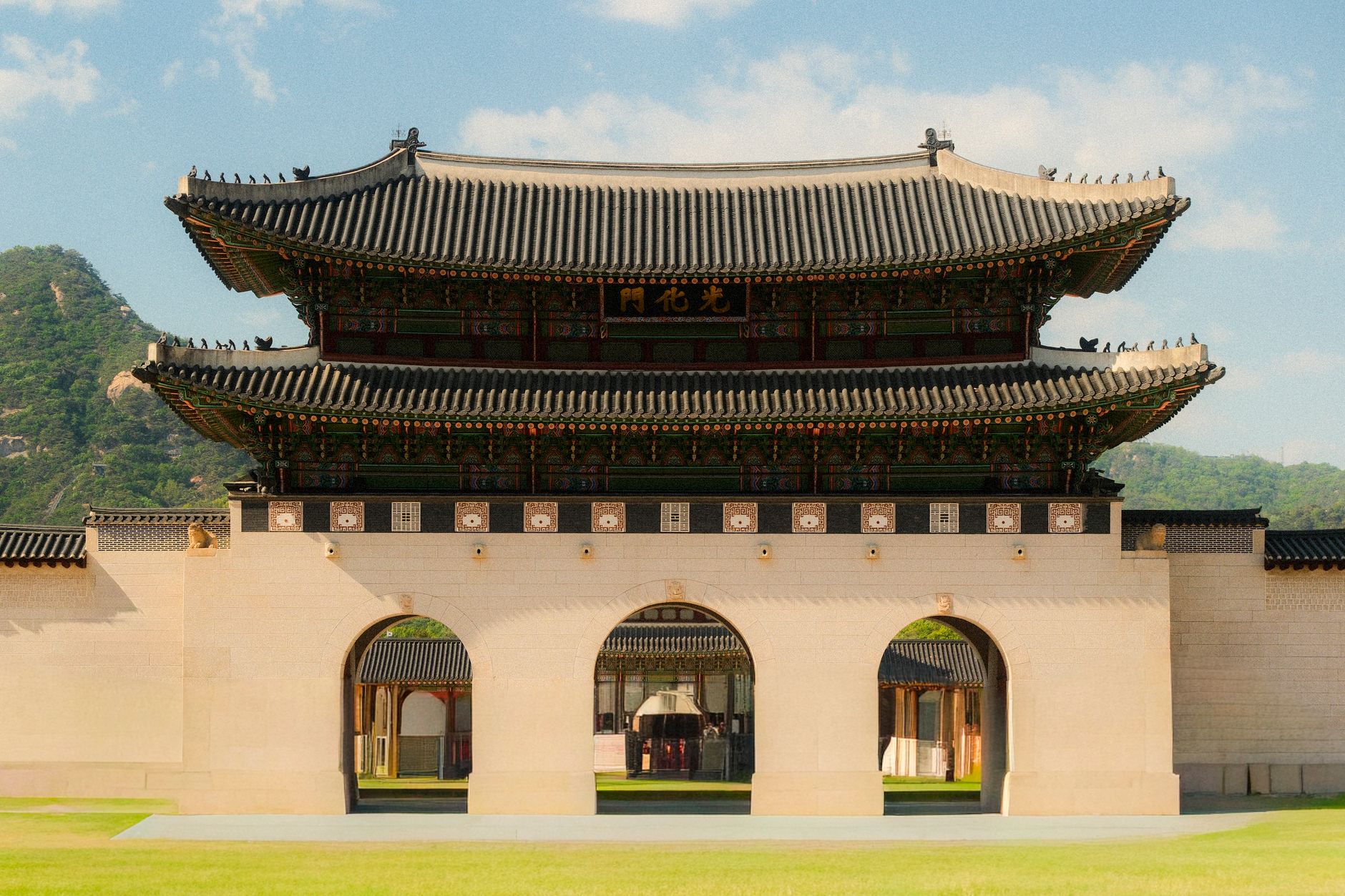
South Korea treats mobile internet as serious infrastructure. The country regularly tops global rankings for average connection speed. In Seoul, you'll have 5G in the subway, underground shopping malls, and pretty much everywhere above ground. It's genuinely impressive.
Networks and coverage
Three main carriers: SK Telecom, KT (Korea Telecom), and LG U+. All three have excellent nationwide coverage. SK Telecom has the best rural reach and is typically the network used by international eSIM providers. Even in mountainous areas like Seoraksan National Park, coverage is better than you'd expect.
Seoul subway signal is a particular highlight - continuous LTE/5G across almost all lines, including underground sections. No more losing Maps in the middle of a complex transfer.
The speeds you'll see are genuinely different from most countries. It's common to get 100-300 Mbps on a regular 5G connection in central Seoul. That's faster than most people's home broadband. Video calls are crystal clear, uploads are instant, and everything just feels snappy.
What you need for a Korea trip
Korea uses a lot of apps you'll want data for. Kakao Maps is actually better than Google Maps for Seoul - more accurate public transit info, better walking directions in the dense city streets. T-money app for transit card management. Naver for local restaurant recommendations (better than Google for Korean-language venues).
Papago for translation - better than Google Translate for Korean specifically, especially for nuanced text. All of these are light on data, but you'll use them constantly.
Download Kakao Maps before you arrive. Google Maps works in Korea but its transit routing is noticeably less accurate. Kakao tells you which specific subway exit to use (Seoul stations can have 15+ exits spread across a city block) and gives walking directions that account for underground passages. That level of detail matters in a city as complex as Seoul.
The food scene and staying connected
Korean food culture is a huge part of any visit, and your phone becomes your guide. Naver and Kakao Maps both show restaurant ratings, photos, and menus. The catch is that most of this content is in Korean. Between Papago for translation and Google Lens for reading menus, you can get around Korean restaurants confidently - but both need a data connection.
The food delivery apps (Baemin, Coupang Eats) work for tourists too, though they're mostly in Korean. Useful for late-night hotel orders after a long day of sightseeing. Having reliable data makes the difference between ordering a proper Korean fried chicken delivery and settling for whatever's in the convenience store downstairs.
How much data for South Korea?
Korea is a city trip for most people - Seoul, maybe Busan, Jeju Island. It's compact and heavily served by excellent public transit. I used 3.2GB on a 10-day trip that included heavy Maps use, video calling, and some streaming on the KTX train between Seoul and Busan.
A 5GB plan for a week is comfortable. For two weeks or if you're doing a lot of video content, go 10GB. The 3GB plan is probably fine for a short city break if you're disciplined.
One thing to keep in mind: Korea's fast networks make it easy to burn through data quickly. Websites and apps load so fast that you end up browsing more than you normally would. Social media feeds load instantly, which means you scroll more. It's a good problem to have, but factor it into your data planning.
Jeju Island
Good coverage across Jeju, including the west coast and the Hallasan mountain area. You can follow hiking trails with signal - the trailhead areas specifically have decent coverage. The east coast (Seongsan Ilchulbong, Manjanggul cave) is well-covered.
Jeju is increasingly popular as a domestic tourism destination, which means Korea's carriers have invested in solid coverage. You can rent a car (international driving permit needed), use Kakao Maps, and explore the island's volcanic setup and tangerine farms without worrying about losing signal.
Buying vs airport SIM
Airport SIM vending machines at Incheon are well-known and popular. They're convenient and reasonably priced. An eSIM is slightly cheaper and means you're connected the moment you land, rather than after you find the vending machine, work out the instructions (in Korean), and wait for activation.
Incheon Airport is massive. If you land at Terminal 2 and the vending machine is at the arrivals hall in Terminal 1, you've added 20 minutes to your journey before you even have signal. With an eSIM from getesimonline.com installed before takeoff, you skip that entirely and go straight to the Airport Railroad Express into Seoul.
Day trips from Seoul
The DMZ tours, Suwon's Hwaseong Fortress, and Nami Island are all popular day trips. Coverage along the way is excellent - Korea's dense population means cell towers are everywhere. Even the DMZ observation areas on the South Korean side have signal, though obviously the view across the border is a different story entirely.
The KTX high-speed train to Busan takes about 2.5 hours and has solid connectivity throughout the journey. You can stream, video call, or work the whole way. It's one of the best train experiences in Asia and having data makes the trip productive if you want it to be.
Check /esim-in-south-korea for current plan pricing and options.
Get Your eSIM for South Korea
Check out our South Korea eSIM plans for Seoul, Busan, and Jeju. Planning a multi-country trip? We also cover Japan and Taiwan.
Ready to get connected?
Browse affordable eSIM data plans for 200+ countries. Instant activation, no roaming fees.
Browse eSIM PlansTraveling to South Korea?
Browse affordable eSIM data plans for South Korea. Plans start from $1.40. Instant activation, no roaming fees.