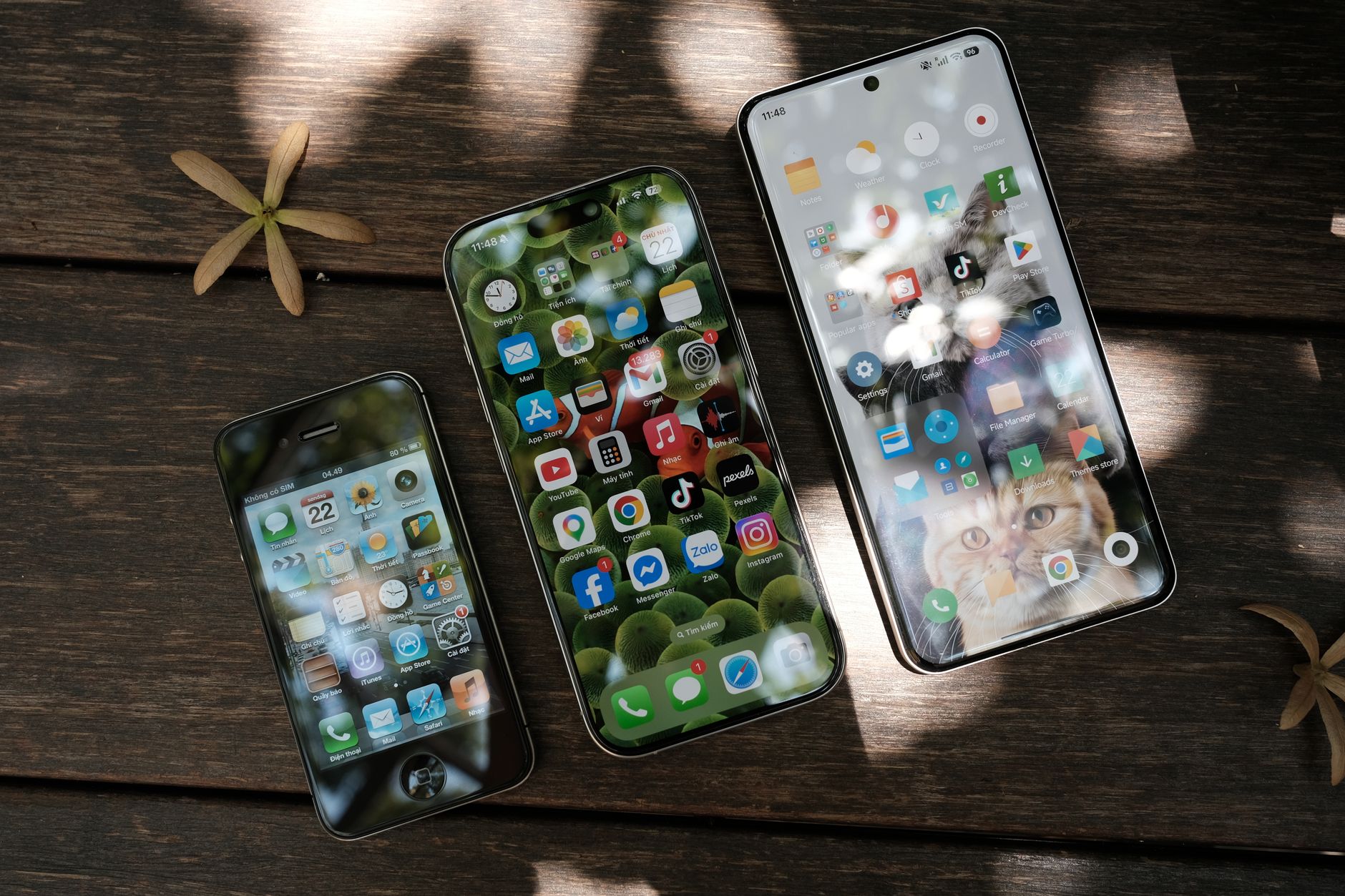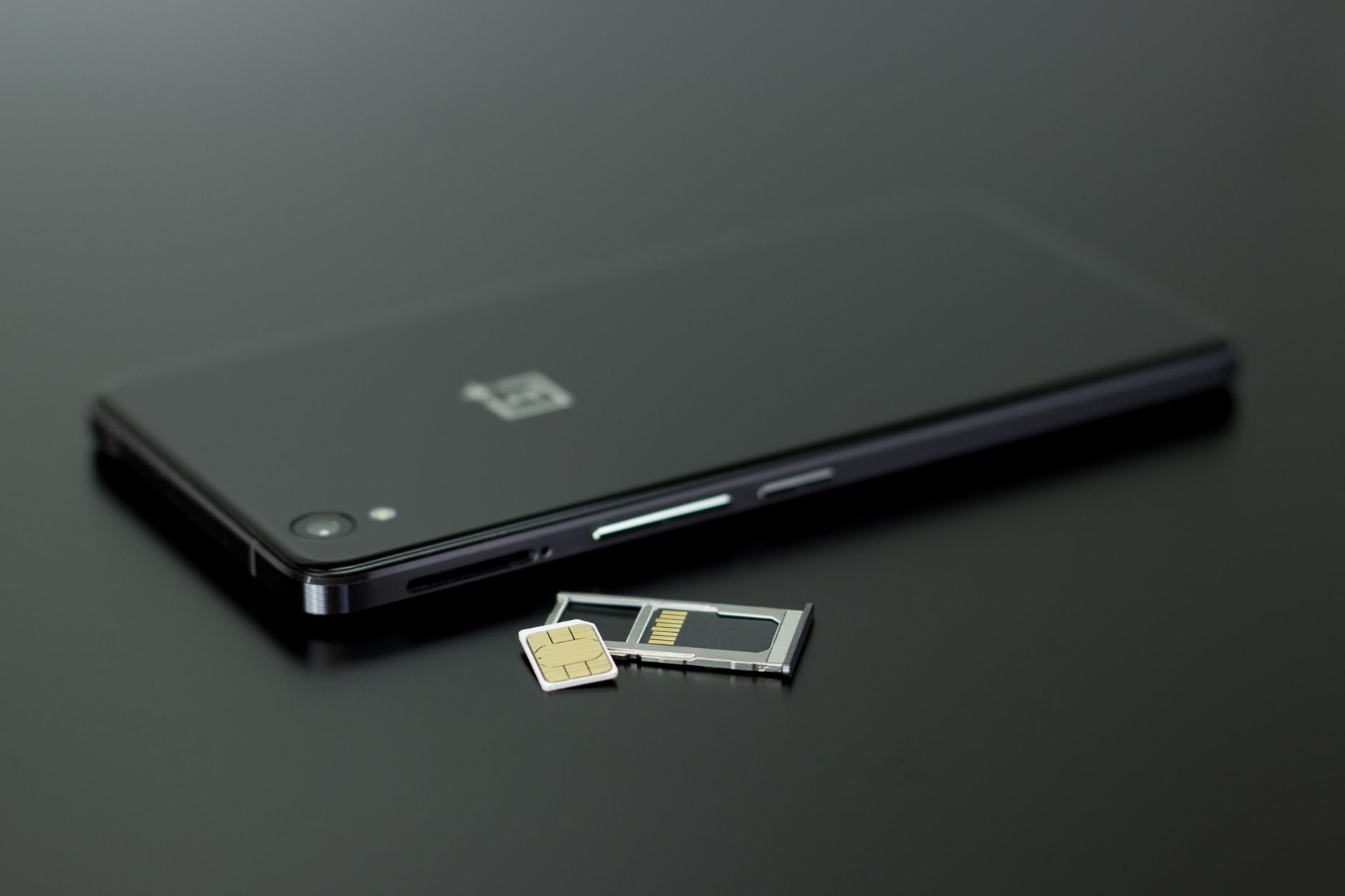
The short version: if you bought a flagship smartphone in the last four years, it almost certainly supports eSIM. The caveats come in the details.
iPhone
Every iPhone from the XS (2018) onwards supports eSIM. That includes:
- iPhone XS, XS Max, XR
- iPhone 11, 11 Pro, 11 Pro Max
- iPhone 12 and 12 series
- iPhone 13 and 13 series
- iPhone 14 and 14 series (US models: eSIM only, no physical SIM)
- iPhone 15 and 15 series (US models: eSIM only)
- iPhone 16 and 16 series
Important caveat: some older iPhones sold in China have eSIM disabled at the hardware level. If your iPhone was purchased in mainland China, check before assuming eSIM works.
Starting with the iPhone 13 and later, Apple supports dual eSIM - meaning you can have two eSIM profiles active at the same time without needing a physical SIM at all. This is perfect for travellers who want to keep their home number active on one eSIM while running a travel data plan on the other.
Samsung Galaxy
Samsung has supported eSIM since the Galaxy S20 series. Compatible models include: S20, S21, S22, S23, S24, and their Plus/Ultra variants. The Z Fold and Z Flip series from Fold 2 and Flip 5G onwards. Note series from Note 20 Ultra.
Samsung devices sold in certain markets (Vietnam, some emerging markets) may have eSIM disabled even on compatible hardware. Check your Settings, then Connections, then SIM Manager - if there's no "Add eSIM" option, it's likely disabled.
One thing to note with Samsung: the eSIM setup process varies slightly between One UI versions. On newer devices running One UI 6, the eSIM installation is smoother and supports QR code scanning directly from the camera app. Older versions require you to go through Settings manually.
Google Pixel
Every Pixel from the Pixel 3 onwards supports eSIM. The Pixel 7, 7 Pro, 8, 8 Pro, 8a, 9, and 9 Pro are all fully supported with clean eSIM management in stock Android.
Pixel phones actually have some of the best eSIM management of any Android device. Stock Android's SIM manager is clean and intuitive. You can switch between profiles quickly, and the setup process through QR code scanning just works without the extra steps some other manufacturers add.
Other Android flagships
Most modern flagships support eSIM: OnePlus 9 and later, Motorola Edge series, Sony Xperia 10 IV and newer, Xiaomi 12 series and newer (in select markets). Budget Android phones are hit and miss - eSIM support is more common in mid-range and above.
Huawei is a special case. Their newer phones support eSIM technically, but due to the ongoing trade restrictions, they don't have Google Play Services. This doesn't affect the eSIM functionality itself, but it does affect which apps you can easily install to manage your travel connectivity.
How to check your specific phone
The fastest method: dial *#06#. If your phone shows an EID number (separate from the IMEI), eSIM is supported at the hardware level. Then check in Settings - look for eSIM, SIM management, or mobile plans to confirm it's enabled by your carrier.
On iPhone, you can also go to Settings, then General, then About, and scroll down to look for an EID field. If it's there, you're good.
On Android, Settings, then About Phone, then SIM Status will show the EID if available. The exact path varies by manufacturer, which is annoying but that's Android for you.
Carrier locks and restrictions
Here's a gotcha that catches people: your phone might support eSIM at the hardware level but be carrier-locked. If you bought your phone on a contract from a carrier, they may have restricted eSIM use to their own network only. You'll need to get it unlocked before you can install a travel eSIM from a provider like getesimonline.com.
In the UK, phones must be sold unlocked by law since December 2021. But phones purchased before that date, or phones bought on contract in other countries, might still be locked. Contact your carrier to check and request an unlock if needed - it's usually free once your contract is paid off.
What about smartwatches?
Apple Watch Series 3 and later with cellular. Samsung Galaxy Watch 4 onwards. Most LTE-capable Android Wear watches. Smartwatch eSIM management works differently to phones - you typically manage it through the companion app rather than directly on the watch.
For travel purposes, smartwatch eSIM is less relevant. Most travel eSIM plans are data-only and designed for phones. Your watch will still work over Bluetooth connected to your phone, which covers most use cases.
iPads and tablets
iPad Pro (3rd generation and later), iPad Air (3rd generation and later), and iPad mini (5th generation and later) all support eSIM. This is handy if you travel with a tablet for work or entertainment - you can put a travel data eSIM directly on the iPad instead of tethering from your phone.
Some Android tablets support eSIM too, though it's less common. Samsung Galaxy Tab S series from the S6 onwards has eSIM on cellular models.
See the full eSIM phone compatibility guide for model-by-model detail.
Browse eSIM Plans
Ready to buy? Check plans for top destinations: Japan, USA, UK, Thailand, or browse all countries.
Ready to get connected?
Browse affordable eSIM data plans for 200+ countries. Instant activation, no roaming fees.
Browse eSIM Plans