Japan's mobile network is exceptional. NTT Docomo covers pretty much everything, including rural areas that would have no signal in most other countries. If you're taking the Shinkansen from Tokyo to Kyoto, you'll have 4G the entire way. Even remote spots like the Japanese Alps have surprisingly good coverage.
The one quirk: Japan doesn't use exactly the same 4G frequency bands as Europe or North America. Most modern smartphones handle this fine, but if you're travelling with an older or budget device, check your phone supports the 700MHz and 1700MHz bands before you arrive.
eSIM options for Japan
NTT Docomo and SoftBank are the two main networks accessible via international eSIM providers. Docomo has the better rural coverage - if you're going outside Tokyo or Osaka, or doing hiking in places like Nikko or the Kumano Kodo trail, Docomo-based plans are the safer choice.
IIJmio and Rakuten Mobile are popular local options but require some Japanese-language navigation to set up. For most foreign visitors, an international eSIM provider is simpler. You can compare Japan plans at getesimonline.com or check the Japan eSIM plans page for current pricing.
How much data do you need in Japan?
Japan is very Google Maps-heavy. The train system in Tokyo alone - JR lines, Tokyo Metro, Toei, and the private lines - is complex enough that you'll be checking the Hyperdia or Google Maps transit view constantly. That's light on data, but you'll use it a lot.
For a week in Tokyo with day trips, 5GB is comfortable. Two weeks including rural areas or multiple cities (Kyoto, Osaka, Hiroshima, Nara), 8-10GB gives you room to spare. I used about 3.5GB on a 10-day trip that included a lot of transit navigation and some Instagram.
City-by-city breakdown
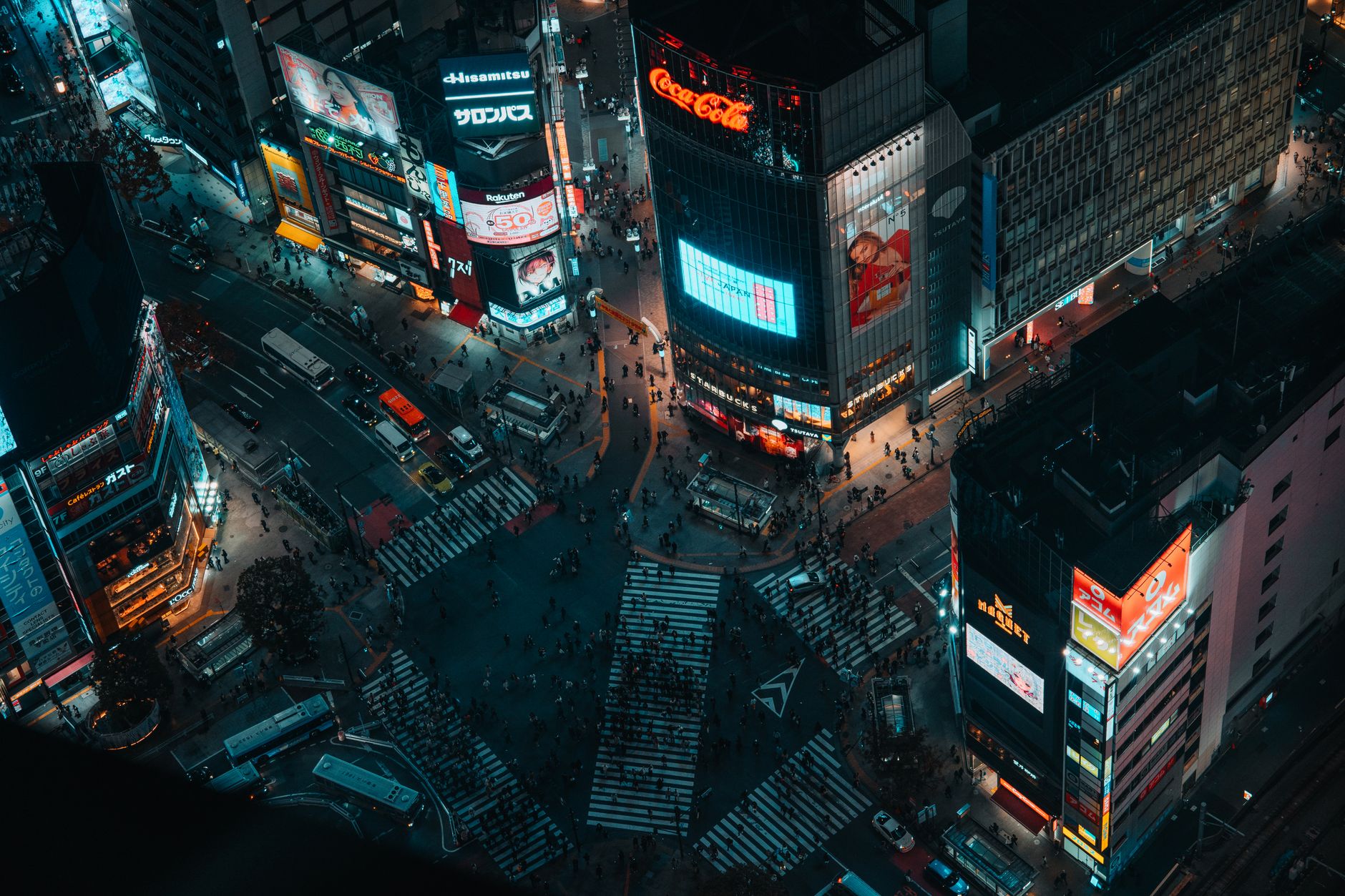
Tokyo: Coverage is flawless above ground. The metro has improved significantly - most JR and Tokyo Metro lines now have continuous 4G signal in tunnels. The Yamanote Line is fully covered. You'll get signal in Shinjuku Station, Shibuya Crossing, even deep in the basement floors of department stores.
Kyoto: Excellent coverage city-wide. Works fine at Fushimi Inari (even up the mountain trail), Arashiyama bamboo grove, and the major temple complexes. Signal drops slightly in some of the quieter mountain temples north of the city like Kurama-dera, but nothing that causes real problems.
Osaka: Same quality as Tokyo. Dotonbori, Namba, Umeda - all perfectly covered. The Osaka Metro has good underground signal too.
Hiroshima and Miyajima: Hiroshima city is well covered. Miyajima Island has decent signal around the main shrine area and the town, but it gets patchy if you hike up Mount Misen. Download the trail map offline before you start climbing.
Rural Japan (Hakone, Takayama, Shirakawa-go): This is where Docomo-based plans earn their keep. Coverage in these smaller towns is solid on Docomo. SoftBank can be spottier once you're away from the main tourist areas. If your trip includes any rural destinations, make sure your eSIM plan uses Docomo.
Practical tips
The Tokyo Metro and JR systems have reasonably good underground signal now - significantly better than a few years ago. You won't be completely offline on the Yamanote Line anymore.
IC cards (Suica, Pasmo) for trains and buses can now be added to iPhone Wallet. Add one before you go and top it up via the app. It saves a lot of queuing at ticket machines.
Google Translate's camera mode is genuinely useful here. Japanese menus in smaller restaurants outside tourist areas often have no English. Pointing your camera at the menu and getting a live translation overlay has become a standard part of eating out.
Japan-specific apps worth downloading
Navitime for Japan Travel: Better than Google Maps for complex train transfers. Shows you exactly which platform to stand on and which car to board for the quickest transfer. Free version covers most needs.
Tabelog: Japan's version of Yelp, but actually useful. Restaurant ratings here are trusted by locals - anything above 3.5 is considered excellent. The app has partial English support, but Google Translate camera mode handles the rest.
PayPay: Japan's dominant QR payment app. Many smaller restaurants and shops prefer PayPay over credit cards. You can set it up with an international credit card.
Free Wi-Fi spots in Japan
Japan has improved its public Wi-Fi dramatically. 7-Eleven, Lawson, and FamilyMart convenience stores all offer free Wi-Fi (and there's a konbini on practically every block in Tokyo). Starbucks Japan has reliable free Wi-Fi. JR stations have "JR-East Free Wi-Fi" in major terminals. Shopping malls like Aeon and department stores like Isetan and Takashimaya offer free connections.
That said, don't rely on these as your primary connection. They require registration, have session time limits (usually 15-60 minutes), and the speeds vary. They're great as backup when you need to check something quickly, but for consistent connectivity throughout the day, an eSIM is far more practical.
Pocket Wi-Fi vs eSIM
Pocket Wi-Fi rental used to be the standard recommendation for Japan. It's been replaced by eSIM for most individual travellers. Pocket Wi-Fi still makes sense for groups of four or more sharing a device, or if you have multiple devices to connect. For a solo traveller or couple, eSIM is cleaner.
No carrying an extra device, no charging another battery, no worrying about leaving it in a taxi.
Get Your eSIM for Japan
Ready to stay connected in Japan? Browse our Japan eSIM data plans and get set up before your flight. You might also want to check plans for South Korea or Taiwan if you are island hopping across East Asia.
Ready to get connected?
Browse affordable eSIM data plans for 200+ countries. Instant activation, no roaming fees.
Browse eSIM PlansTraveling to Japan?
Browse affordable eSIM data plans for Japan. Plans start from $1.40. Instant activation, no roaming fees.