
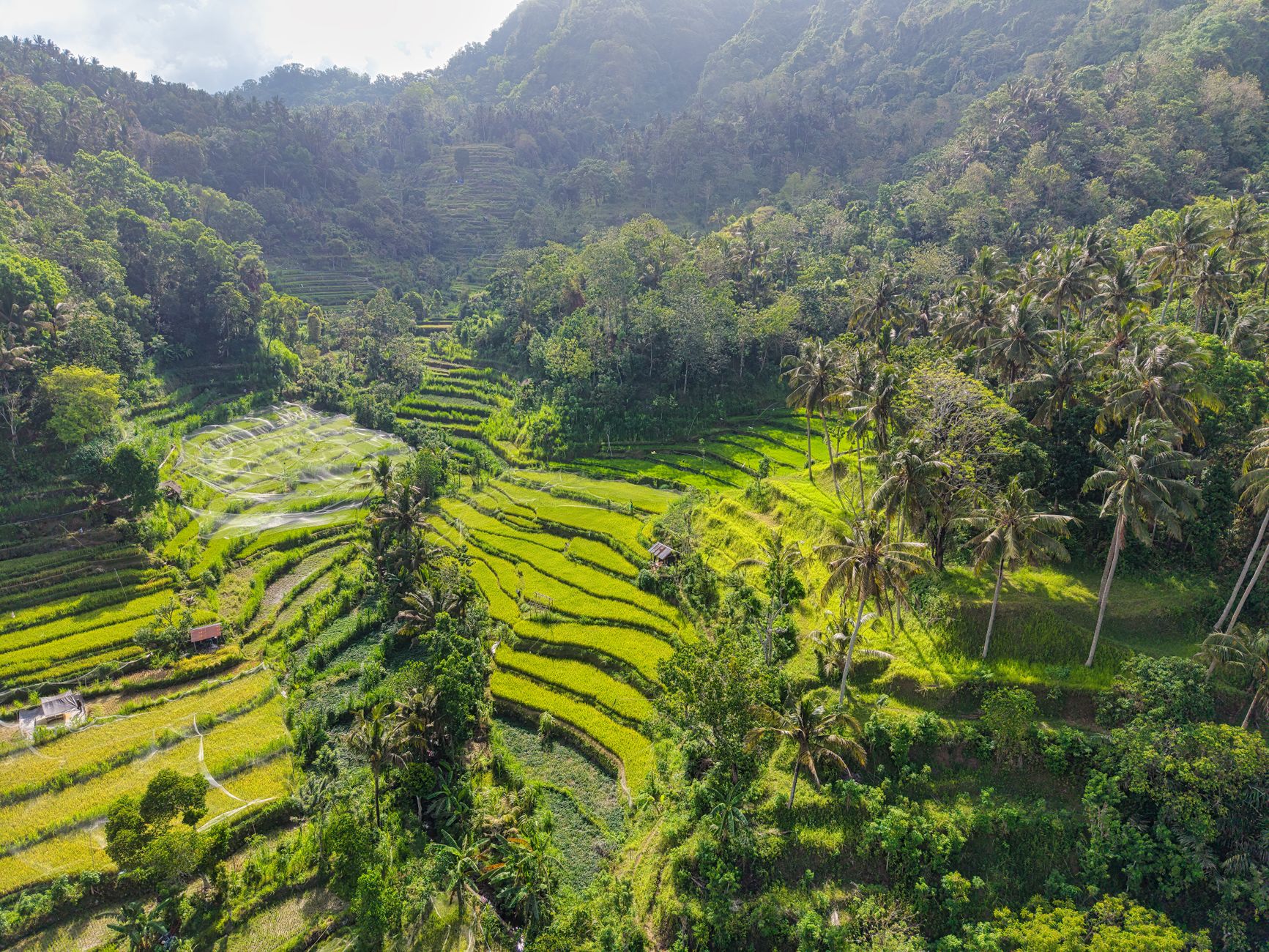
Southeast Asia is cheap for mobile data. Like, embarrassingly cheap. Local SIM cards in Thailand cost less than a cup of coffee and come loaded with 30GB. Vietnam is even cheaper. Indonesia is dirt cheap. This is important context when deciding whether to bother with an eSIM or just grab a local card at the airport.
For a single-country trip lasting more than a week, a local SIM probably wins on price. For multi-country trips - the classic Southeast Asia circuit of Thailand, Vietnam, and maybe Bali or Singapore - a regional eSIM saves the hassle of buying three separate SIMs and gives you continuous coverage as you cross borders.
Thailand
Bangkok's coverage is excellent. AIS and DTAC both have strong 4G across the city and into the provinces. The islands are mostly fine - Ko Samui and Phuket have good coverage everywhere. Ko Lanta and Ko Tao have decent signal in the main tourist areas. Ko Lipe and the more remote islands in the south are patchy at best. Download offline maps before leaving the mainland.
If you want a local SIM, AIS Tourist SIM (available at Suvarnabhumi Airport) or DTAC Happy Tourist are both solid and cost around 300-400 baht for 30 days. See Thailand eSIM options for comparison.
Vietnam
Viettel and Vinaphone are the main networks. Coverage is good in Hanoi and Ho Chi Minh City, solid along the main tourist trail (Hue, Da Nang, Hoi An), and decent on Phu Quoc. Ha Long Bay is where people run into issues - signal drops significantly once you're out on the water.
Local SIM prices in Vietnam are some of the lowest in the world. A Viettel tourist SIM with 6GB/day for 30 days costs about 200,000 VND (around $8). That's an insane amount of data for almost nothing. You can buy them at the airport or any phone shop - they're everywhere.
Indonesia (Bali)
Bali is well-covered. Seminyak, Kuta, Ubud, Canggu, Nusa Dua - all fine. The Nusa islands (Nusa Penida, Nusa Ceningan) have gotten much better in the last couple of years. Telkomsel has the best coverage nationally. See Bali/Indonesia eSIM plans.
If you're heading beyond Bali to other Indonesian islands - Lombok, Flores, Komodo, Sulawesi - Telkomsel is the only reliable network in many areas. Make sure whatever eSIM you buy connects through Telkomsel if your itinerary goes off the beaten path.
Singapore
Some of the best mobile coverage in the world. Singapore is a city-state with total 4G saturation and fast 5G rollout. Signal in the MRT underground is solid. Singtel, StarHub, and M1 all have excellent networks. For a short visit, an eSIM makes more sense than a local SIM since the price difference is small. More at Singapore eSIM options.
Malaysia
Good coverage in Kuala Lumpur and major towns. Celcom and Maxis have the best rural reach. If you're heading into Borneo (Sabah, Sarawak), coverage outside major towns drops off sharply - download everything you need offline.
Philippines
Manila and Cebu have solid 4G coverage. Globe and Smart are the two main networks. Island coverage varies wildly - Boracay is well-covered, Palawan has decent signal in Puerto Princesa and El Nido town but drops quickly outside those areas. If you're island-hopping, expect intermittent connectivity and plan accordingly.
The Philippines requires SIM registration with a valid ID, which adds a step if buying a local SIM. An eSIM from getesimonline.com skips that process entirely.
Cambodia and Myanmar
Cambodia: Phnom Penh and Siem Reap (Angkor Wat) have good coverage. Smart and Cellcard are the main networks. Data is cheap - about $3-5 for a tourist SIM with several GB. Rural areas between cities can be spotty.
Myanmar: Coverage has improved in recent years but remains unreliable outside Yangon and Mandalay. If you're visiting Bagan, expect some dead zones outside the main temple area. Check current travel advisories before planning a trip here.
The multi-country argument
If your trip goes Thailand to Vietnam to Bali to Singapore (classic backpacker route), a regional eSIM covering Southeast Asia means you don't touch SIM logistics at all. You lose the rock-bottom local pricing but you gain convenience, which at a certain point of trip complexity has real value. Regional plans from GEO typically cover all major SEA countries in one plan.
Data usage tips specific to Southeast Asia
Grab (the ride-hailing app) is essential in Thailand, Vietnam, Malaysia, Singapore, and the Philippines. It uses minimal data but you need a connection to book rides. Having mobile data active specifically for Grab is worth the cost alone - it replaces the stress of negotiating taxi fares.
Hotel and hostel Wi-Fi quality varies hugely in SEA. Budget guesthouses in Vietnam and Cambodia often have Wi-Fi that barely loads a webpage. Don't count on it as your primary connection. Having a backup eSIM or local SIM means you can always fall back on mobile data when the hostel Wi-Fi dies at 9pm, which it will.
Ready to get connected?
Browse affordable eSIM data plans for 200+ countries. Instant activation, no roaming fees.
Browse eSIM PlansTraveling to Thailand?
Browse affordable eSIM data plans for Thailand. Plans start from $1.40. Instant activation, no roaming fees.