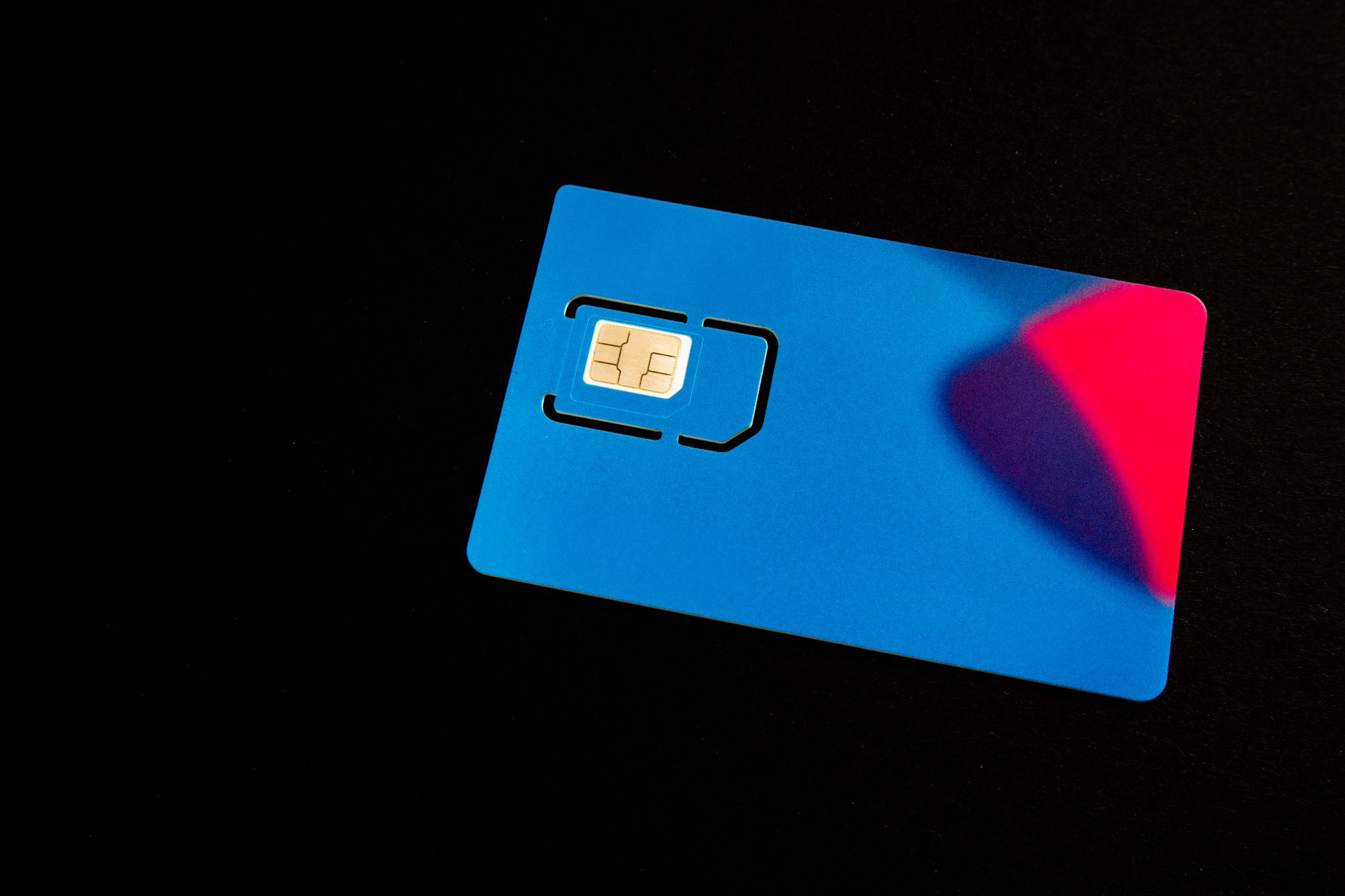
The physical SIM card had a good run. Thirty-plus years of tiny plastic chips ferrying us between carriers. But for travel specifically, the case for eSIM has gotten pretty hard to argue against in 2026.
That said, physical SIMs aren't dead. There are still places where they're cheaper, more available, or simply necessary. Here's an honest look at both.
The case for eSIM
Convenience is the obvious one. You buy a plan online, get a QR code, scan it, and you're connected - often before you've even left home. No hunting for a SIM shop at the airport, no language barrier at a kiosk, no tiny plastic card to lose down the side of a taxi seat.
Price is more competitive than it used to be. A week of data in Europe through a provider like getesimonline.com typically runs $5-12 depending on the data allowance. Compare that to your home carrier's roaming add-on, and the maths usually favours eSIM. Not always - but usually.
Multiple profiles is a real advantage if you travel frequently. I keep profiles for Japan, the UK, and Europe on my phone. Switching before a trip takes 30 seconds. No physical swaps, no risk of dropping that near-microscopic SIM in an airport bathroom.
The case for physical SIM
In some countries, local SIM cards are absurdly cheap. Thailand is the classic example - you can pick up a Tourist SIM at Suvarnabhumi for about 300 baht (roughly $8) with 30GB of data for 30 days. That's hard to beat. Same story in India, Vietnam, and parts of Africa where local operators practically give data away.
Physical SIMs also work on older phones. If your device doesn't support eSIM - anything more than five or six years old, or certain budget Android phones - you don't have a choice anyway.
Rural coverage can favour local SIMs in some markets. An eSIM using a regional network aggregator might have slightly different (sometimes worse) rural coverage than buying a SIM directly from the dominant local carrier. Not a huge difference in most developed countries, but worth knowing.
Price comparison: real numbers
Let's look at actual costs for a 7-day trip with 5GB of data in popular destinations:
Japan: Travel eSIM runs about $8-15. A physical SIM at Narita Airport costs around 3,000-4,000 yen ($20-27). eSIM wins on price and convenience.
Thailand: Travel eSIM is around $6-10. A local AIS or DTAC Tourist SIM at BKK airport costs 300-400 baht ($8-11) but gives you 30GB instead of 5GB. Physical SIM wins on value if you need lots of data.
UK to Europe roaming: Your carrier charges $2-6 per day, adding up to $14-42 for a week. A European eSIM costs $5-10 flat. eSIM wins by a mile.
US road trip: Travel eSIM runs $12-20 for 10GB. A prepaid T-Mobile SIM from a Target or Walmart is about $25-40 for similar data. Close on price, eSIM wins on convenience since you don't need to find a store.
When eSIM is clearly better
Short trips to expensive-roaming destinations. Western Europe, Japan, Australia, the US - places where your home carrier's roaming rates are painful and local SIM shops aren't always conveniently located.
Multi-country trips. If you're doing a two-week Europe run through five countries, a single regional eSIM plan that covers the whole itinerary beats buying five separate local SIMs by a mile.
Business travel. Reliability and not having to faff around at arrivals matters when you have meetings to get to.
When physical SIM still makes sense
Long stays in data-cheap countries. Spend a month in Chiang Mai and a local DTAC or AIS SIM is almost certainly your best value option.
Destinations with limited eSIM support. Some smaller countries have limited eSIM network options - coverage might technically exist but only through one roaming partner with patchy service.
When your phone doesn't support eSIM. Simple as that.
The hybrid approach most experienced travellers use
Here's what a lot of frequent travellers actually do: keep your home SIM in the physical slot (with data roaming turned off) and use eSIM for travel data. Your home number stays active for calls and texts through Wi-Fi calling, while your data runs through the cheaper eSIM plan. Best of both worlds.
For longer trips, start with an eSIM for your first few days, then pick up a local SIM once you're settled. The eSIM gets you connected immediately at the airport so you can get to your accommodation. The local SIM gives you better value for the rest of the trip. This two-step approach costs slightly more upfront but saves hassle and usually money overall.
The verdict
For most modern smartphones and most travel scenarios, eSIM is the better option. The convenience gap is real, the pricing is competitive, and the flexibility of multiple profiles genuinely changes how you travel.
But "most" isn't "all." Know the destination, check the options, and pick whatever saves you time and money. Both technologies exist for good reasons.
Try an eSIM on Your Next Trip
Convinced? Browse plans for popular destinations like Spain, Greece, USA, Australia, and many more.
Ready to get connected?
Browse affordable eSIM data plans for 200+ countries. Instant activation, no roaming fees.
Browse eSIM Plans