For the first three or four years of 5G rollout, the practical answer to "should I care about 5G as a traveller?" was pretty much no. The coverage was sparse, the phones were expensive, and the real-world speed difference was marginal unless you were right next to a tower.
That's changed. 5G is now meaningful in a lot of places travellers actually go.
Where 5G actually works in 2026
Most major city centres in Western Europe, Japan, South Korea, the US, and Australia have solid 5G coverage. Tokyo and Seoul are genuinely excellent - sub-6GHz 5G is practically everywhere in the urban areas, and some mmWave deployment in dense commercial districts gives you speed that feels like fibre.
Dubai has been aggressive about 5G rollout. The city centre, marina area, and airport are all well covered. Same story for Singapore.
In the UK, all four major carriers have 5G in most city centres. London coverage is dense. Regional cities like Manchester, Edinburgh, and Birmingham are mostly covered in central areas.
The US is more complicated. T-Mobile's mid-band 5G (2.5GHz) is excellent in metro areas and genuinely fast. Verizon's mmWave is impressive but only covers tiny geographic areas. AT&T's 5G is decent but not as widespread as T-Mobile's.
The three types of 5G (and why it matters for travel)
Not all 5G is created equal, and understanding the difference helps you set realistic expectations:
Low-band 5G (600-900MHz): Wide coverage, travels far, penetrates buildings well. Speeds are maybe 50-200Mbps - noticeably faster than 4G but not the dramatic jump you'd expect. This is what you'll connect to in most places. T-Mobile's nationwide US coverage is mostly this.
Mid-band 5G (2.5-3.7GHz): The sweet spot. Speeds of 200-700Mbps with decent coverage radius. This is what makes 5G feel genuinely fast. Available in most major cities in developed countries. Good building penetration.
mmWave 5G (24-47GHz): The headline speeds - 1Gbps or faster. But the range is tiny (a few hundred meters from the tower) and it can't penetrate walls or even heavy rain. You'll only hit this in specific spots like stadium districts, transport hubs, or dense shopping areas. Fun to speed test, but don't plan around it.
What it means practically
For most traveller use cases - Maps, messaging, social media - 4G is plenty and you won't notice the difference. 5G starts to matter when you're doing things that actually need bandwidth: video calls with no lag, downloading a large file in seconds, or streaming 4K in a hotel room without buffering.
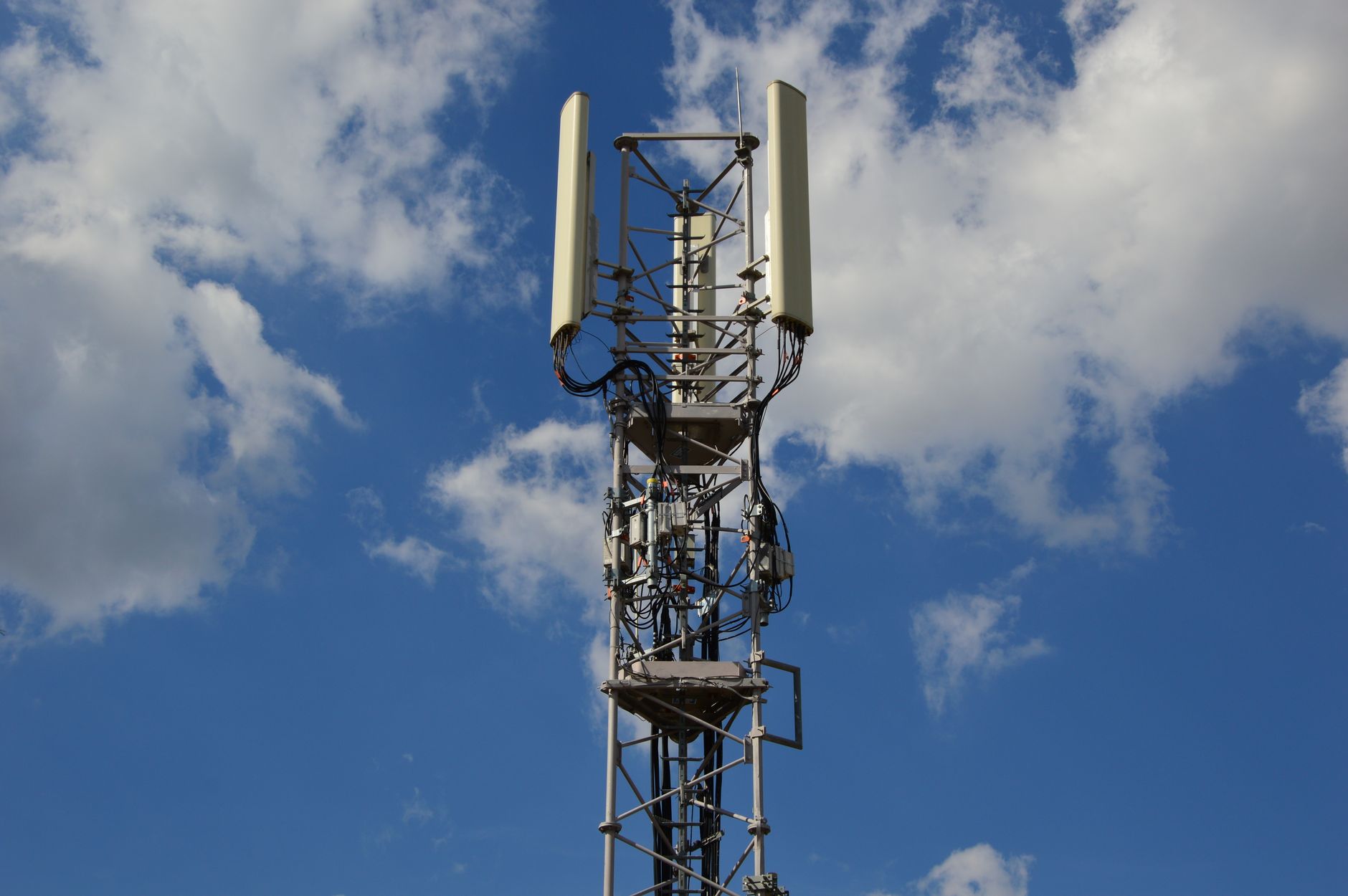
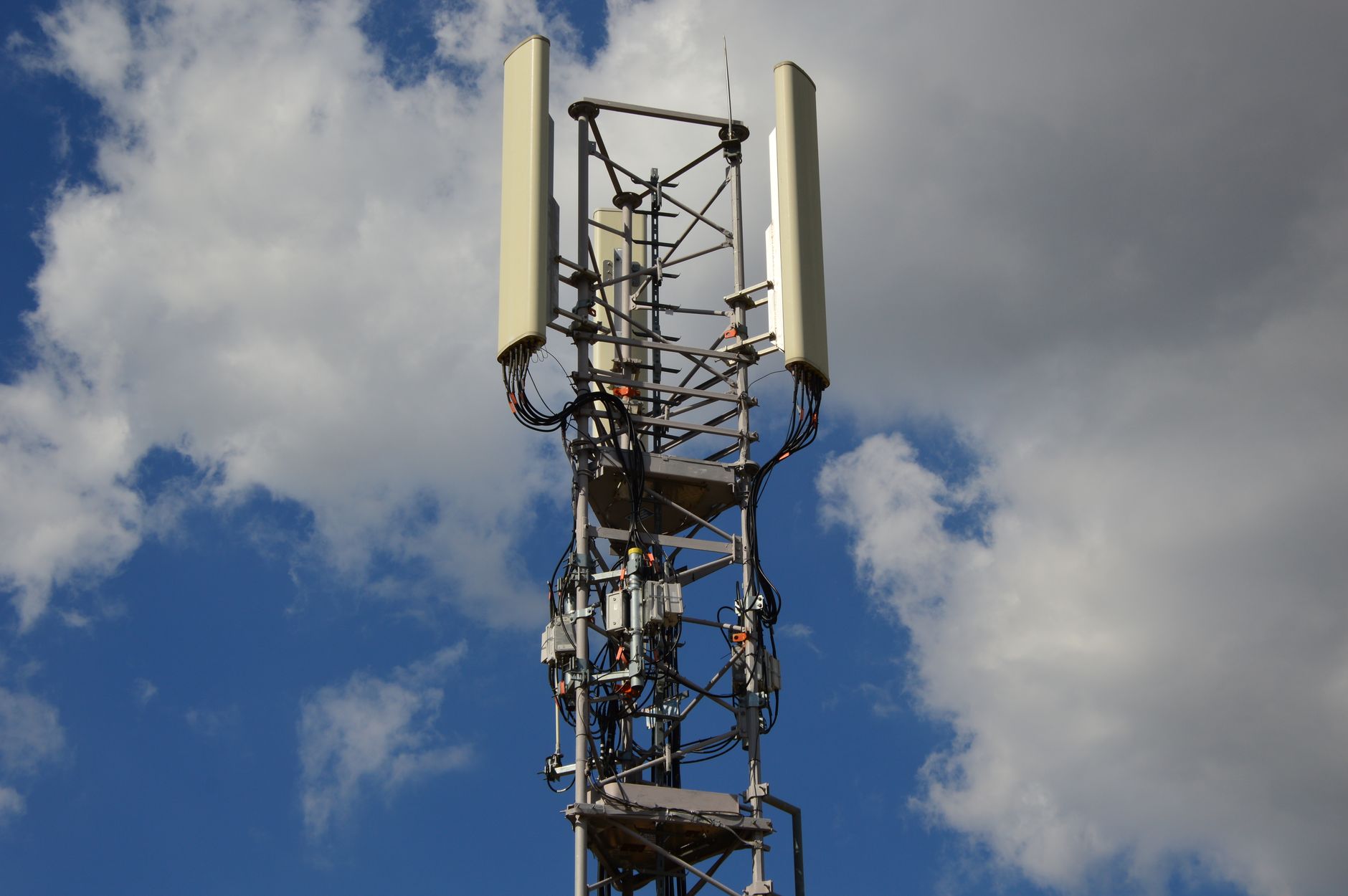
The bigger practical benefit isn't peak speed - it's network capacity. 5G handles more simultaneous users without degrading. At a crowded festival, airport, or tourist attraction where 4G would throttle to crawl, 5G holds up much better. That's the everyday win most people notice first.
Do eSIM plans give you 5G?
Depends on the plan. Many international eSIM plans are still 4G-only by default - check before buying if 5G access matters to you. Plans on getesimonline.com specify whether 5G is included. The price difference between 4G and 5G plans is usually small, so for newer 5G-capable phones it's worth paying for 5G if it's available for your destination.
Countries where 5G makes the biggest difference for travellers
South Korea: The global leader in 5G density. Seoul has coverage that's so consistent you genuinely forget you're on mobile data. Streaming, video calls, everything just works at ridiculous speeds.
UAE: Etisalat and du have blanketed Dubai and Abu Dhabi with 5G. Airport connectivity is excellent, which matters during long layovers.
Japan: NTT Docomo and SoftBank both have strong 5G in Tokyo, Osaka, and other major cities. The combination of 5G speed and Japan's already-excellent network infrastructure makes it one of the best-connected destinations in the world.
Saudi Arabia: STC has rolled out 5G aggressively. If you're visiting for Hajj, Umrah, or tourism, expect strong 5G in Riyadh, Jeddah, and the holy cities.
Should you pay extra for a 5G eSIM plan?
If your phone supports 5G and you're visiting a city with good 5G coverage - Tokyo, Seoul, London, Dubai, New York - then yes, the small premium is usually worth it. You're typically paying $2-5 more than the equivalent 4G plan.
If you're heading to rural areas, smaller cities, or countries where 5G rollout is still early (most of Africa, South America, Southeast Asia outside Singapore), save the money. You'll be on 4G regardless of what your plan says.
A few honest caveats
Indoor 5G coverage is still spottier than 4G in many buildings. The higher frequencies used for 5G don't penetrate walls as well as 4G's 700-900MHz bands. You might have strong 5G signal outside and then drop to 4G the moment you walk into a thick-walled old building.
Battery life takes a mild hit when your phone is actively using 5G. Not dramatic - maybe 5-10% more drain in heavy use - but worth knowing if you're already stretching a charge through a long sightseeing day.
5G is also irrelevant if your phone doesn't support it. If you're travelling with a phone from 2020 or earlier, none of this applies.
Get Your eSIM
Plans for UK, Spain, Turkey, South Korea, and 200+ countries.
Ready to get connected?
Browse affordable eSIM data plans for 200+ countries. Instant activation, no roaming fees.
Browse eSIM Plans