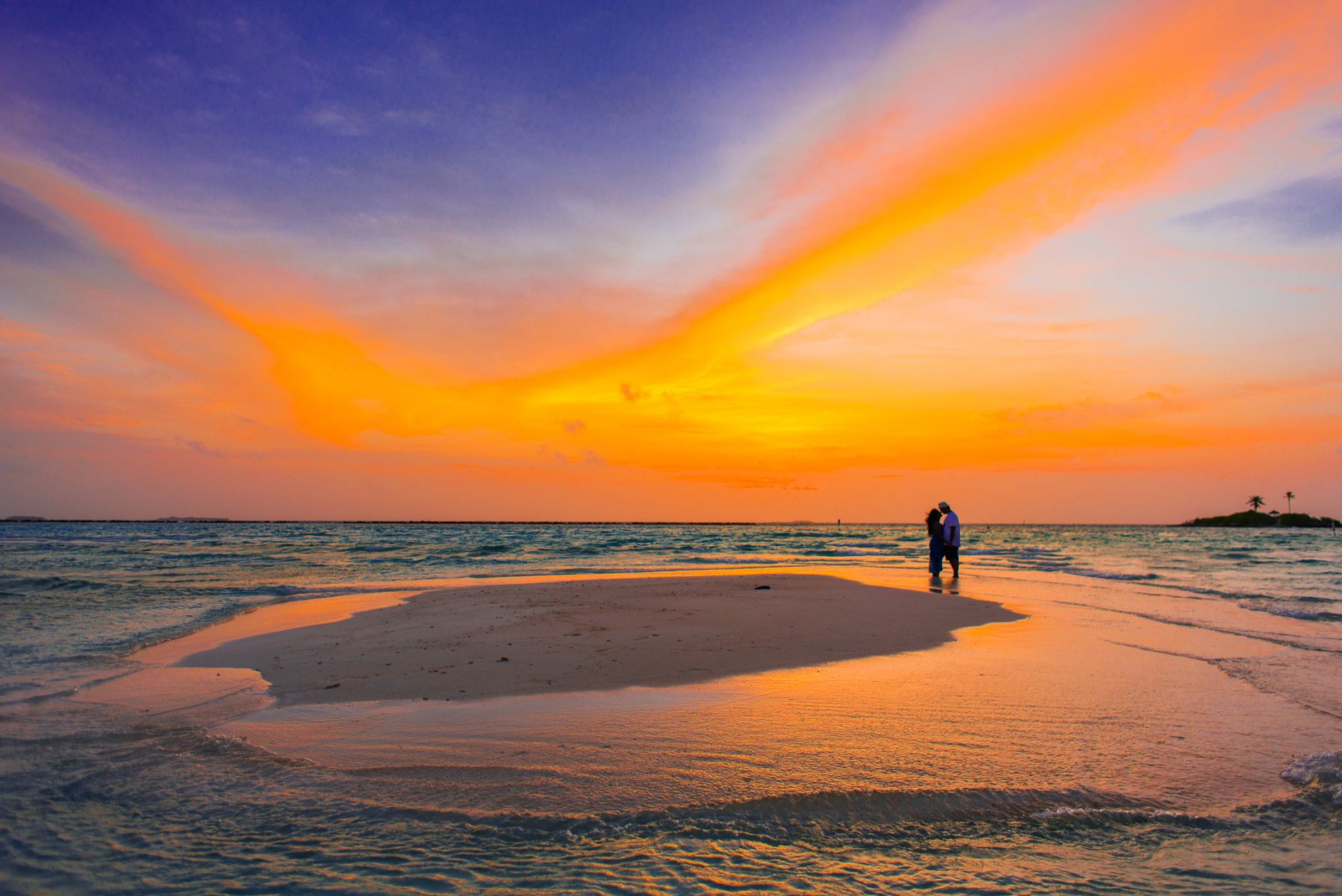
You have spent months planning the perfect honeymoon. The flights are booked, the overwater bungalow is reserved, and you have already mentally composed at least five Instagram captions. But here is something most couples forget until they are standing in a foreign airport with no data: how are you actually going to stay connected?
Hotel Wi-Fi at honeymoon resorts is famously unreliable. Roaming charges can quietly rack up hundreds of dollars. And the last thing you want on the trip of a lifetime is to be arguing about why Google Maps is not loading while you are lost on a back road in Santorini.
An eSIM sorts all of this out before you leave home. Here is how to handle connectivity on your honeymoon without any of the usual headaches.
The Resort Wi-Fi Problem
Let me be blunt about resort Wi-Fi: it is almost always terrible. This is true even at luxury properties. That gorgeous overwater villa in the Maldives? The Wi-Fi signal has to travel across water to a thatched-roof structure with no ethernet cables. You are lucky if you can load a webpage, let alone upload a photo.
Santorini cave hotels carved into cliffs? Thick stone walls kill Wi-Fi signals. Bali jungle resorts? Beautiful setting, but the router is in a bamboo hut 200 meters away. Seychelles beach properties? The salt air and distance between buildings make consistent coverage nearly impossible.
I have seen five-star resorts charging $20-30 per day for "premium" Wi-Fi that still buffers on Instagram Stories. Having your own mobile data through an eSIM means you do not depend on anyone else is infrastructure. You have got your own connection, and it works wherever there is cell signal.
One eSIM or Two?
This is the question every couple asks. Do you both need separate eSIM plans, or can you share one?
Option 1: Two Separate eSIMs
Each person installs their own eSIM with their own data plan. This is the simpler approach. You can split up for spa appointments or excursions without worrying about staying in hotspot range. Both phones work independently. If one of you wants to wander the local market while the other sleeps in, both have full connectivity.
Cost: roughly $10-20 total for a week at a single destination.
Option 2: One eSIM with Hotspot
One person activates an eSIM and shares data via mobile hotspot with the other phone. This works if you are together 90% of the time (which, on a honeymoon, you probably are). It saves a few dollars but drains the host phone is battery faster and requires staying within Bluetooth/Wi-Fi range.
My honest recommendation: just get two. The cost difference is small, and you will not have to deal with hotspot hassles during what should be the most relaxing trip of your life. Check the plans at getesimonline.com -- you can often find a pair of 3 GB plans for under $20 total.
Top Honeymoon Destinations: Connectivity Guide
Maldives
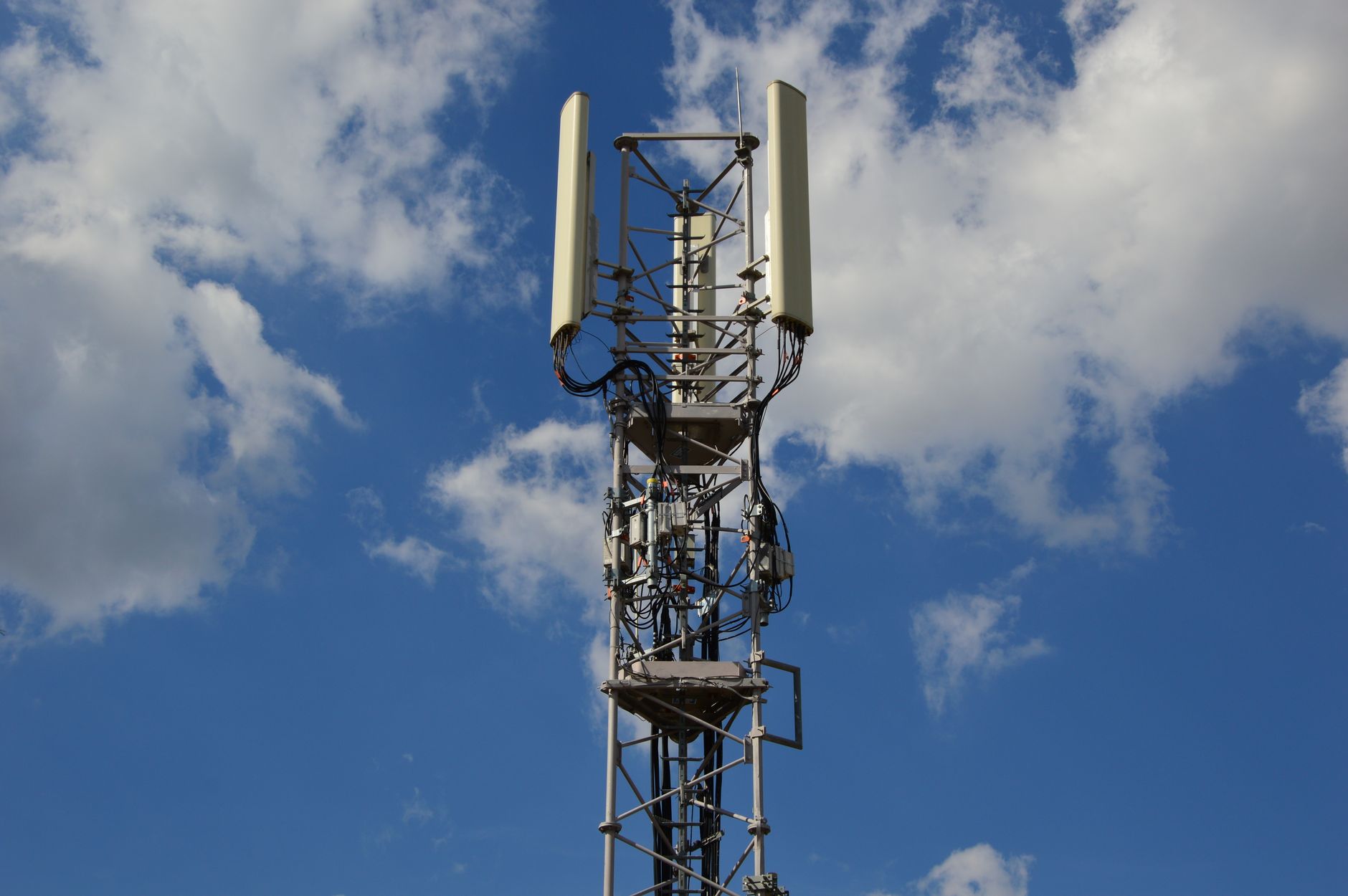
Dhiraagu and Ooredoo are the two carriers. Coverage on resort islands is generally good -- most atolls have cell towers specifically because resorts need them. You will get solid 4G for uploading photos and making video calls home. Signal between islands (on seaplane or speedboat transfers) drops out, which is expected.
Data usage tip: the Maldives is a place where you genuinely do not need much data. You are on a tiny island. A 2-3 GB plan per person for a week is more than enough.
Santorini, Greece
Excellent coverage across the island. Oia, Fira, Imerovigli, Kamari Beach -- all have strong 4G signal. Greece is in the EU so eSIMs with European coverage work perfectly. You will want data for navigating the narrow streets (GPS is essential in Oia, trust me), finding restaurants, and posting those iconic blue-dome sunset shots.
Bali, Indonesia
Coverage in Seminyak, Ubud, Canggu, and Nusa Dua is solid. Telkomsel has the strongest network across the island. Things get spottier in northern Bali around Lovina and on the Nusa islands (Penida, Lembongan), but you will still have basic 4G most of the time. Budget 3-5 GB per person for a week -- Bali is an active honeymoon destination with lots of exploring.
Seychelles
Cable & Wireless and Airtel cover the main islands (Mahe, Praslin, La Digue) well. Smaller private islands vary. 4G is available in populated areas, though speeds are not as fast as what you are used to at home. 2-3 GB per person handles a week comfortably.
Amalfi Coast, Italy
Good coverage along the coast, though the winding roads and cliff-side towns create occasional dead spots. Positano, Ravello, and Amalfi town all have reliable signal. You will absolutely want data for navigating the hairpin bus routes and finding hidden beach coves.
Posting Photos and Reels Without Burning Data
Honeymoon photos are non-negotiable. You are going to post them, and they are going to be gorgeous. Here is how to do it without blowing through your data plan:
- Upload photos individually rather than in big batches. A single Instagram photo uses about 5-10 MB. A batch of 10 uses 50-100 MB.
- Post Reels and Stories on Wi-Fi when possible. Video uploads eat 30-80 MB per clip depending on length and quality.
- Turn off auto-backup for Google Photos and iCloud during the day. Your phone will try to upload every single photo you take in real time. Switch to Wi-Fi-only backups.
- Edit photos offline in Lightroom or Snapseed, then post the finished version. Editing apps do not need data.
Practical Stuff You Will Need Data For
Beyond posting photos, here is what actually uses your eSIM data on a honeymoon:
- Booking restaurant reservations -- many honeymoon destinations have popular spots that fill up. OpenTable, Google Maps reviews, and TripAdvisor all need data.
- Arranging excursions -- snorkeling trips, sunset cruises, private tours. You will be messaging operators on WhatsApp or checking availability online.
- Navigation -- rental car in Santorini? Scooter in Bali? You need GPS. Download offline maps as backup, but live traffic data is helpful.
- Translation -- Google Translate uses barely any data and is a lifesaver at restaurants and markets.
- Keeping family updated -- a quick WhatsApp message or photo to parents takes almost no data but keeps everyone happy.
Multi-Country Honeymoons
A lot of couples do multi-stop honeymoons. Dubai plus Maldives. Greece island-hopping then Italy. Bali plus Singapore. If your honeymoon hits multiple countries, look for a regional eSIM plan rather than buying separate ones for each destination.
Asian multi-country plans, European plans, and global plans are all available at getesimonline.com. One eSIM that works across all your stops is simpler than juggling multiple plans.
Keep Your Home Number Active
Do not forget about your regular phone number. You might need it for two-factor authentication on bank apps, email verification, or emergencies. Most modern phones support dual SIM (physical SIM plus eSIM), so you can keep your home SIM installed for calls and texts while using the eSIM for data. Just make sure data roaming is turned off on your home SIM so you do not accidentally get charged.
The Short Version
Get two eSIMs (one each), activate them before you fly, and stop worrying about connectivity. Resort Wi-Fi will let you down. Roaming charges will shock you. An eSIM costs less than a single cocktail at most honeymoon resorts and gives you reliable data for the entire trip. You did not plan this honeymoon to spend it troubleshooting Wi-Fi passwords. Get connected, post those sunset photos, and go enjoy being married.
Find Your Destination
Get eSIM data for Italy, France, Spain, Japan, or browse all 200+ countries.
Ready to get connected?
Browse affordable eSIM data plans for 200+ countries. Instant activation, no roaming fees.
Browse eSIM Plans