Every "best travel apps" list includes about 40 apps. Nobody installs 40 apps. Here are the ones that genuinely matter, with an honest take on each.
Navigation
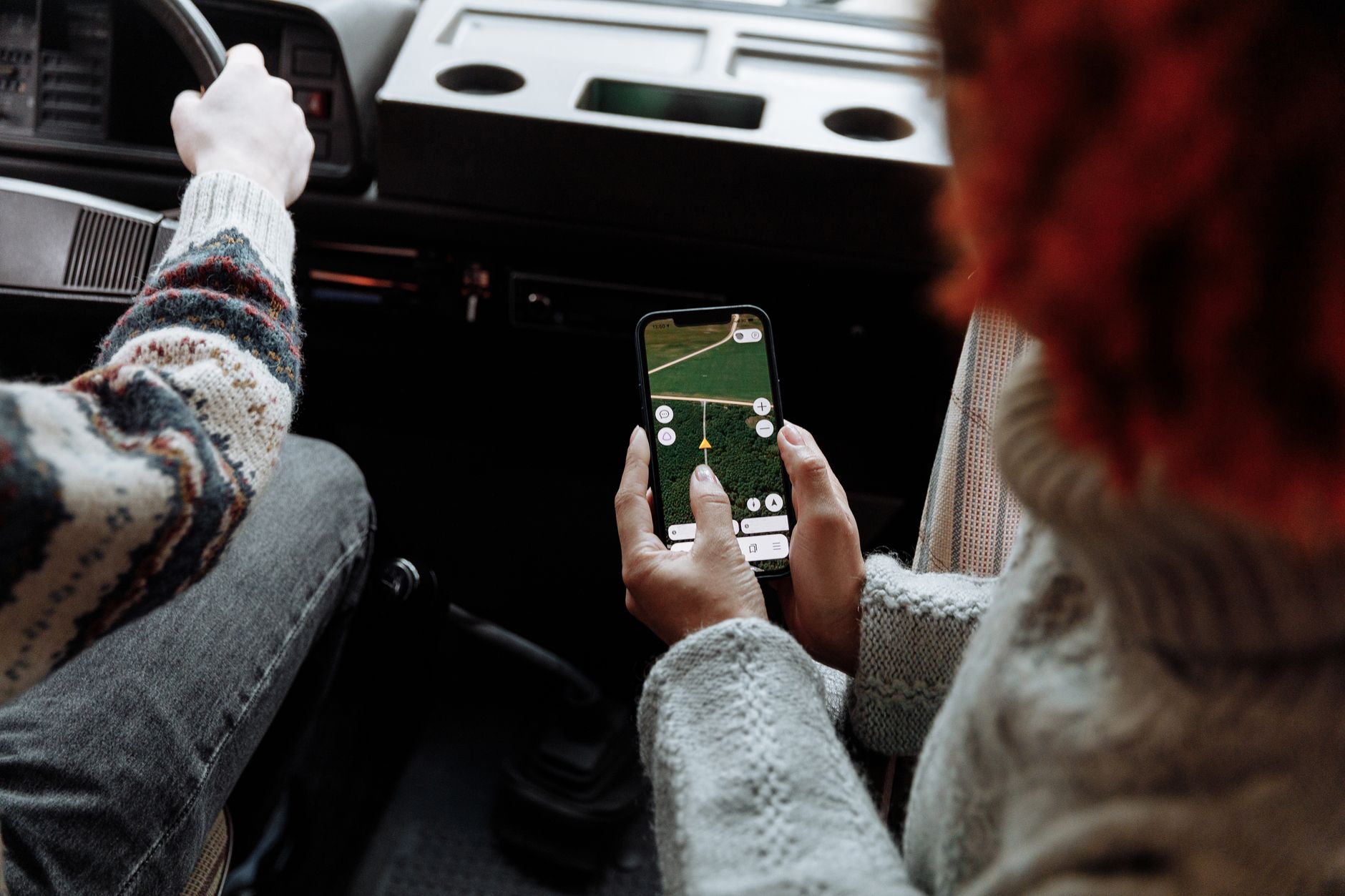
Google Maps is still the standard. Download offline maps for every city before you fly - search the area, pull up the location card, tap Download. Works without a data connection once saved. The transit directions are excellent in most major cities.
Maps.me is worth having as a backup, especially in developing countries. It uses OpenStreetMap data which can be more accurate for rural areas and mountain regions. Completely offline. Free.
Transport
Grab covers most of Southeast Asia - Thailand, Vietnam, Malaysia, Singapore, Philippines, Indonesia. Think Uber but actually dominant in the region. Pricing is upfront, drivers are generally reliable, and you pay by card or cash. Use it everywhere you'd use a tuk-tuk in Bangkok.
Bolt is the equivalent for Europe and parts of Africa. Cheaper than Uber in most cities. The app is nearly identical.
For trains in Europe, Trainline pulls together rail options across multiple countries and lets you book in one place. It charges a small booking fee, but the convenience of not managing separate accounts for SNCF, Deutsche Bahn, and Trenitalia is usually worth it.
Translation
Google Translate with offline language packs downloaded. The camera translation feature - point it at a menu, get a translation overlaid in real time - works surprisingly well now. Download language packs on Wi-Fi before you travel so it works without data.
DeepL gives noticeably better translations than Google for European languages, especially French, German, and Spanish. The free app works well. It doesn't have camera translation or as many languages, but for text and conversation translation, the quality is clearly a step up.
Money
Wise (formerly TransferWise) for exchanging and spending money abroad. The debit card gives you near-interbank exchange rates with no foreign transaction fees. Withdraw up to $200/month from ATMs free. Probably saves you $20-50 on a two-week trip compared to using a regular bank card.
Revolut is similar and slightly more feature-rich if you want the app to track spending. The free tier is fine for occasional travel.
Accommodation and logistics
You probably already use Booking.com or Airbnb. The one people miss is HostelWorld for budget accommodation - covers far more hostels than the big booking platforms, and the reviews are written by the kind of travellers who actually care about whether breakfast is decent.
Safety and emergency
TripIt pulls together all your booking confirmations into a single itinerary. Forward your flight, hotel, and car rental emails to the app and it creates a clean timeline. The free version does everything most people need. Handy at immigration when someone asks for your hotel address and you can't remember which email it was in.
what3words is useful in countries where street addresses are unreliable. It divides the world into 3m x 3m squares, each with a unique three-word address. Telling a taxi driver "table.lamp.garden" works better than trying to describe a location in a language you don't speak. Used by emergency services in many countries too.
Connectivity
Your eSIM provider's app. If you're using GEO, their app shows your data balance and lets you buy top-ups without going through a browser. Worth having open before you land. You can grab eSIM plans for most destinations at getesimonline.com.
Health and safety
GeoSure gives safety ratings for neighborhoods in cities worldwide. It rates areas on things like physical safety, women's safety, and nighttime safety. More granular than country-level travel advisories. Useful for figuring out which areas to avoid when booking accommodation in an unfamiliar city.
TravelSafe Pro shows emergency numbers by country (not every country uses 911), nearest hospitals, and local embassy contact details. Worth having even if you never open it - when you need it, you'll need it urgently.
The one most people forget
Google Authenticator or Authy - if you use two-factor authentication on your banking apps (you should), make sure your authenticator app is set up before you travel. Getting locked out of your bank account abroad because 2FA codes are going to a phone number you can't receive texts on is a genuinely miserable experience.
Apps to delete before you travel
This sounds counterintuitive on a "best apps" list, but clearing out apps you don't use frees up storage for offline maps, translation packs, and downloaded shows for flights. Social media apps you don't actively use, games you haven't opened in months, shopping apps - get rid of them before the trip. You can always reinstall when you're home.
Also check which apps are eating battery in the background (Settings → Battery on both iOS and Android). Facebook and Snapchat are notorious battery drains. If you're not actively using them, either delete them or restrict their background activity. Every percentage of battery matters when you're exploring a foreign city at 8pm with 12% charge left.
Get Data for Your Destination
All these apps work better with reliable data. Get an eSIM for Japan, South Korea, Singapore, or any of our 200+ destinations.
Ready to get connected?
Browse affordable eSIM data plans for 200+ countries. Instant activation, no roaming fees.
Browse eSIM Plans