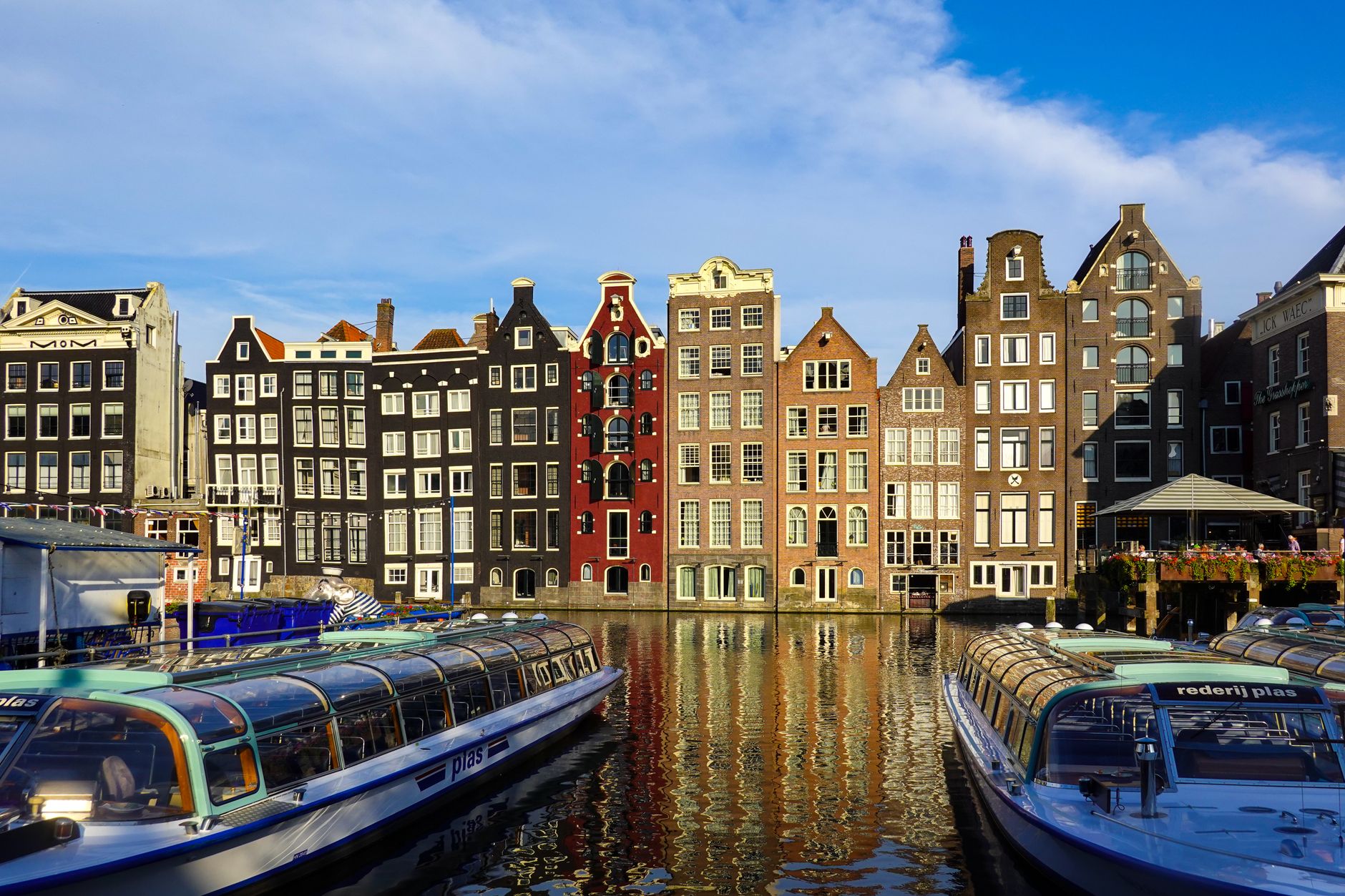
Denmark is one of those countries where everything just works. The trains run on time, the bike lanes are better than most car roads, and the coffee is always excellent. Copenhagen alone is worth the trip, but if you go beyond the capital to Aarhus, the islands, and the windswept Jutland coast, you'll find a Denmark that most tourists never see.
An eSIM kept me connected throughout my 10-day Denmark trip last fall, and I'm recommending the same setup for anyone heading there in 2026. Here's everything you need to know.
Denmark's Mobile Network: Small Country, Big Coverage
Denmark is geographically small, about the size of Massachusetts and New Hampshire combined. That means the mobile carriers have had an easier time building thorough coverage. The three main networks are TDC (Nuuday), Telia, and 3 (Three Denmark). All three offer strong 4G coverage that blankets nearly 100% of the populated areas, and 5G is live in Copenhagen, Aarhus, Odense, and Aalborg.
I clocked 110 Mbps on 4G in central Copenhagen near Nyhavn. Even on the tiny island of Aero in the South Funen Archipelago, I had a solid signal. Denmark's flat terrain and high population density make it one of the best-connected countries in Europe.
eSIM Plans for Denmark: What to Expect
You have two main options. A Denmark-specific eSIM plan, or a European regional plan that covers Denmark along with other Scandinavian and EU countries.
Denmark-only plans:
- 1 GB, 7 days: around $5-7
- 3 GB, 7 days: around $9-12
- 5 GB, 15 days: around $13-17
- 10 GB, 30 days: around $20-28
If you're also visiting Sweden, Norway, or Germany on the same trip, a European plan with 5-10 GB for around $18-28 covers you across all countries with a single eSIM. That's what I'd pick for a multi-country Nordic trip.
Copenhagen: Where Most Adventures Start
Copenhagen is a city that rewards wandering. Rent a bike (about 50 DKK per day from Donkey Republic, roughly $7), and you can cover the entire city center in a day. The bike lanes are separated from car traffic and clearly marked, so even if you haven't cycled in years, you'll feel comfortable.
Tivoli Gardens is right in the center, across from the Central Station. It's one of the oldest amusement parks in the world, opened in 1843. Admission costs about 155 DKK ($22), and rides are extra. Go in the evening when the lights come on. It's magical without being cheesy.
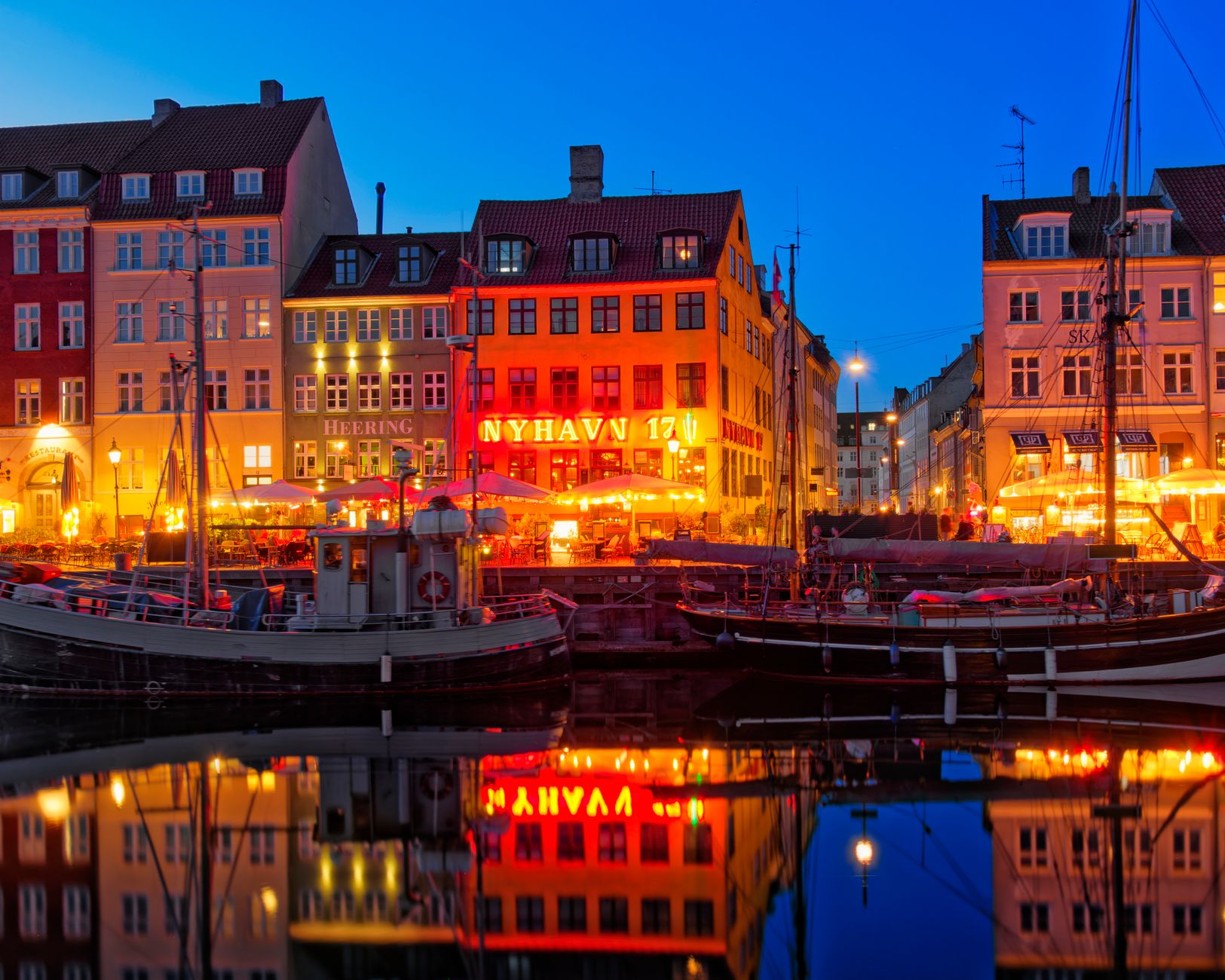
Nyhavn, the colorful harbor lined with 17th-century townhouses, is the most photographed spot in Denmark. Grab a beer from a nearby shop for about 25 DKK ($3.60) and sit on the canal edge like the locals do. Restaurant prices along Nyhavn itself are inflated, so eat a block or two away for better value.
The Torvehallerne food market near Norreport Station is where I ate lunch almost every day. A smorrebrod (open-faced sandwich) costs about 65-95 DKK ($9-14), and the quality is outstanding. The fish stalls are especially good.
Christiania, the famous free town, is a 15-minute walk from the city center. It's a self-governing community that's been there since 1971. You can walk around freely, visit the cafes and art studios, but photography isn't allowed on Pusher Street. Coverage is fine throughout.
For museums, the National Museum of Denmark is free. The Louisiana Museum of Modern Art is about 35 km north of the city in Humlebaek, costs 145 DKK ($21), and sits on a stunning coastal cliff. Take the train from Copenhagen Central, it's about 35 minutes. You'll want data to check return train times.
Aarhus: Denmark's Second City
Aarhus is a 3-hour train ride from Copenhagen (tickets around 300-400 DKK, about $43-58) and has a completely different energy. It's a university town, younger and more experimental. The food scene rivals Copenhagen's but at lower prices.
ARoS Aarhus Art Museum is the standout attraction. The rooftop rainbow panorama, a circular walkway made of colored glass, gives you a 360-degree view of the city in every color of the spectrum. Admission is 160 DKK ($23). You'll want data for the audio guide app.
Den Gamle By (The Old Town) is an open-air museum with 75 historical buildings from across Denmark, set up as a living town. Staff in period costumes run bakeries, workshops, and homes. Admission is about 175 DKK ($25) in summer. It's genuinely fascinating, not one of those boring museum experiences.
The Latin Quarter around Mollestien lane has the best cafes and boutiques. Lunch at a typical Aarhus restaurant costs about 100-150 DKK ($14-22) for a main course.
The Danish Islands: Funen, Bornholm, and More
Denmark has over 400 islands, and about 70 of them are inhabited. Each has its own character.
Funen (Fyn): This is Hans Christian Andersen's birthplace. Odense, the main city, has the H.C. Andersen Museum, redesigned by architect Kengo Kuma and reopened in 2021. Admission is 175 DKK. South Funen has rolling farmland, small harbors, and the island of Aero, which is one of the most picturesque places in all of Scandinavia. Cell coverage on Funen and Aero is reliable.
Bornholm: This island sits in the Baltic Sea, closer to Sweden than to the rest of Denmark. It's known for smoked herring, round medieval churches, and stunning rocky coastline. You can fly from Copenhagen in 25 minutes or take a ferry from Ystad in Sweden (about 80 minutes). Coverage is good in towns but can be spotty along remote coastal trails.
Samso: A small island famous for being carbon-negative, powered almost entirely by wind energy. It's a unique day trip from Jutland. Coverage is decent in the village centers.
Jutland: The Mainland Peninsula
Jutland (Jylland) is the peninsula that connects Denmark to Germany. It's where you find wild beaches, heath-covered landscapes, and that rugged North Sea coast.
Skagen, at the very tip of Jutland, is where the North Sea and the Baltic Sea meet. You can literally stand with one foot in each body of water at Grenen point. The Skagen painters made this place famous in the 1800s, and the light up here is genuinely different from anywhere else in Denmark. Coverage is solid in Skagen town and along the main roads.
Ribe, in southwest Jutland, is the oldest town in Denmark, founded around 700 AD. Walking through its cobblestone streets at dusk, with the night watchman doing his rounds (a free nightly event at 8 PM in summer), feels like time travel.
Legoland Billund is in central Jutland, and if you're traveling with kids, it's non-negotiable. A day ticket costs about 399 DKK ($57) at the gate, less if booked online in advance. The miniature Lego city is incredible regardless of your age. Coverage throughout the park is excellent.
Practical Data Tips for Denmark
Denmark has free WiFi in most public spaces, including libraries, train stations, and many cafes. The Copenhagen Metro has WiFi in stations. But between WiFi zones, your eSIM is what keeps you connected.
The Rejseplanen app is essential for planning trains and buses across Denmark. It works like Google Maps but specifically for Danish public transit, with real-time updates. You'll need data for this.
MobilePay is Denmark's universal payment app, used by nearly everyone in the country. Unfortunately, as a tourist, you likely can't sign up for it since it requires a Danish bank account. But don't worry, card payments are accepted everywhere. In fact, many places in Denmark don't accept cash at all.
One important note about Denmark: it's expensive. A coffee costs 40-55 DKK ($6-8). A beer at a bar is 50-70 DKK ($7-10). Budget at least $100-120 per day for food and activities, more if you're not watching your spending. Your eSIM plan, by comparison, is one of the cheapest parts of the trip.
How Much Data for Denmark?
- Weekend in Copenhagen: 2-3 GB is enough
- One week across Denmark: 5 GB for moderate use
- Two weeks with heavy photo sharing: 10 GB to be comfortable
- Working remotely while traveling: 15-20 GB with WiFi for video calls
Install the eSIM at home before your departure. Set it as your data line, keep your home number on your regular SIM for calls and texts, and disable data roaming on that home line. When you land at Copenhagen Airport, switch on the eSIM data and you'll be connected within moments.
Denmark is one of those places where the small details make the trip. The way the light hits the harbor at 9 PM in summer. The taste of fresh rugbrod with butter at a bakery in Aarhus. The quiet of a Jutland beach with nobody else around. Having reliable data doesn't make those moments happen, but it helps you find them.
Ready to get connected?
Browse affordable eSIM data plans for 200+ countries. Instant activation, no roaming fees.
Browse eSIM PlansTraveling to Denmark?
Browse affordable eSIM data plans for Denmark. Plans start from $1.14. Instant activation, no roaming fees.