
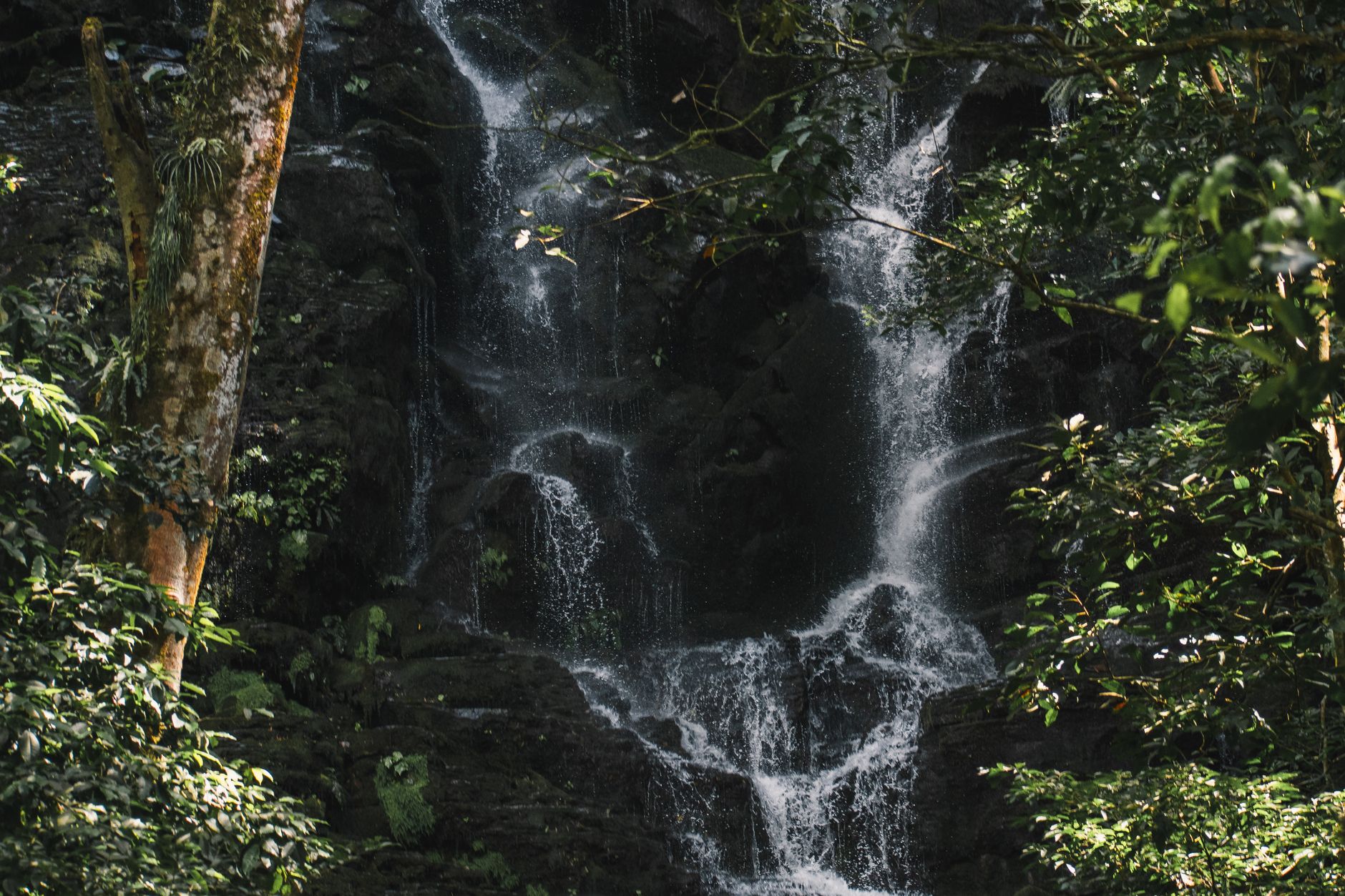
Costa Rica is one of those places that makes you rethink your priorities. You are standing on a bridge watching a sloth slowly cross a power line, howler monkeys are screaming from the canopy, and there is a volcano steaming in the background. It is wild in the best possible way.
Getting connected here used to mean hunting down a Kolbi SIM card at the airport and dealing with Spanish-language activation menus. In 2026, an eSIM makes the whole process painless. Here is what you need to know about staying online from San Jose to Manuel Antonio to Arenal.
Costa Rica Mobile Networks: What You Are Working With
Costa Rica has three carriers: Kolbi (owned by state telecom ICE), Claro, and Liberty (formerly Movistar). Kolbi has the widest coverage, especially in rural and mountainous areas. Claro is strong in cities and tourist corridors. Liberty is decent but trails behind the other two outside urban zones.
An eSIM from getesimonline.com typically connects you to Kolbi or Claro networks, giving you the best coverage where tourists actually go. Plans run about 6-10 USD for 1-2 GB and 18-30 USD for 5-10 GB, valid for 7-30 days depending on what you pick.
Compare that to buying a local Kolbi SIM at Juan Santamaria Airport: about 5,000-10,000 colones (9-18 USD) for a basic prepaid plan, plus the time spent in line and dealing with registration. The eSIM is faster and usually cheaper for the same amount of data.
San Jose: Your Starting Point
Most travelers do not spend long in San Jose, and honestly that is fine. It is a transit hub, not a destination. But you will likely spend at least one night, and coverage here is excellent. All three carriers provide solid 4G LTE across the city. The Central Market, National Museum, Barrio Escalante (the food district), and Escazu all have reliable signal.
San Jose is where you want to download your offline maps for the rest of the trip. Coverage gets spotty once you leave the Central Valley, so prep while you have fast data. Download Google Maps for the Pacific coast, Arenal area, and any national parks you plan to visit.
Getting Around San Jose
Uber works in Costa Rica, though its legal status has been fuzzy. Locals use it constantly anyway. DiDi also operates here and is often cheaper. Both apps work perfectly fine on your eSIM data. A ride from the airport to downtown San Jose costs about 8,000-12,000 colones (14-21 USD) on Uber.
Manuel Antonio: Beach, Jungle, and Spotty Signal
Manuel Antonio is the most visited national park in Costa Rica, and for good reason. White-sand beaches, monkeys stealing your snacks, iguanas sunbathing on the trails. It is gorgeous.
Coverage in the town of Manuel Antonio and Quepos (the nearby main town) is good. You will get 4G from Kolbi and Claro in hotels, restaurants, and along the main road. Inside the national park itself, signal weakens significantly. The dense jungle canopy blocks a lot of cell signal, and there are no towers inside the park boundaries.
Expect 3G or no service on most trails within the park. At the beaches inside the park, you might get a bar or two. Do not count on posting from the trail. Take your photos, enjoy the wildlife, and upload everything when you are back in Quepos grabbing a casado (the traditional rice and beans plate) for lunch.
Dominical and Uvita
If you are heading further south along the Pacific coast to Dominical or Uvita (for the whale tail beach at Marino Ballena), coverage is hit or miss. Dominical town center has decent Kolbi signal. Uvita is similar. But the remote beaches and jungle lodges between them? Prepare for dead zones. Many eco-lodges have WiFi via satellite, but it is slow and often capped.
Arenal and La Fortuna
La Fortuna, the town at the base of Arenal Volcano, has solid 4G coverage. Hotels, restaurants, hot springs resorts, and the town center are all well covered. This is a major tourist hub, so the infrastructure has kept up.
The hanging bridges trails and Arenal Volcano National Park have mixed coverage. You will get signal at the park entrance and main viewpoints, but trails deeper into the forest lose connectivity. The Mistico Hanging Bridges park, which is privately operated, has better coverage than the national park trails.
Hot springs are a big draw here. Tabacon, Baldi, and Ecotermales all have WiFi for guests, but your eSIM gives you a backup that does not depend on shared hotel bandwidth. Useful when 200 people at Tabacon are all trying to stream on the same connection.
Rio Celeste
If you are making the day trip to Rio Celeste (the impossibly blue waterfall in Tenorio Volcano National Park), coverage drops to almost nothing on the trail. The drive from La Fortuna takes about two hours, and signal fades in and out along the way. The waterfall hike has zero reliable coverage. Worth every disconnected minute though.
How Much Data for Costa Rica?
Costa Rica trips tend to be active and outdoorsy, which means you are using less data than you would in a city-focused destination. Here is what a typical 7-10 day trip looks like:
- Maps and navigation: 300-500 MB (lots of driving on winding roads)
- Social media and messaging: 500 MB - 1 GB
- Photo and video uploads: 400-800 MB (you will take a lot of wildlife photos)
- Ride-hailing apps: 50-150 MB
- General browsing: 200-400 MB
Budget 3-5 GB for a typical trip. If you are a content creator filming wildlife videos, go for 10 GB to be comfortable.
eSIM Setup Tips for Costa Rica
Install your eSIM before you fly. Costa Rica plans from getesimonline.com activate on first data use, so you can set it up at home and it will start working the moment you land and turn off airplane mode.
Bring a portable charger. Between GPS navigation on mountain roads, the camera running for wildlife shots, and mobile data, your phone battery will drain fast. A 10,000 mAh power bank is essential for full days in national parks.
WhatsApp is widely used in Costa Rica. Tour operators, shuttle companies, and hotels all communicate through it. Your eSIM keeps this running so you can confirm pickups and ask questions on the go.
Costa Rica is pure magic for nature lovers. You will see more wildlife in a week than most people see in a lifetime. Just set up your connectivity before you go, and you can focus on spotting toucans instead of hunting for WiFi passwords.
Get Your eSIM for Costa Rica
Browse our Costa Rica eSIM plans for San Jose, Manuel Antonio, and Arenal. Also heading to Panama or Mexico?
Ready to get connected?
Browse affordable eSIM data plans for 200+ countries. Instant activation, no roaming fees.
Browse eSIM PlansTraveling to Costa Rica?
Browse affordable eSIM data plans for Costa Rica. Plans start from $3.84. Instant activation, no roaming fees.