
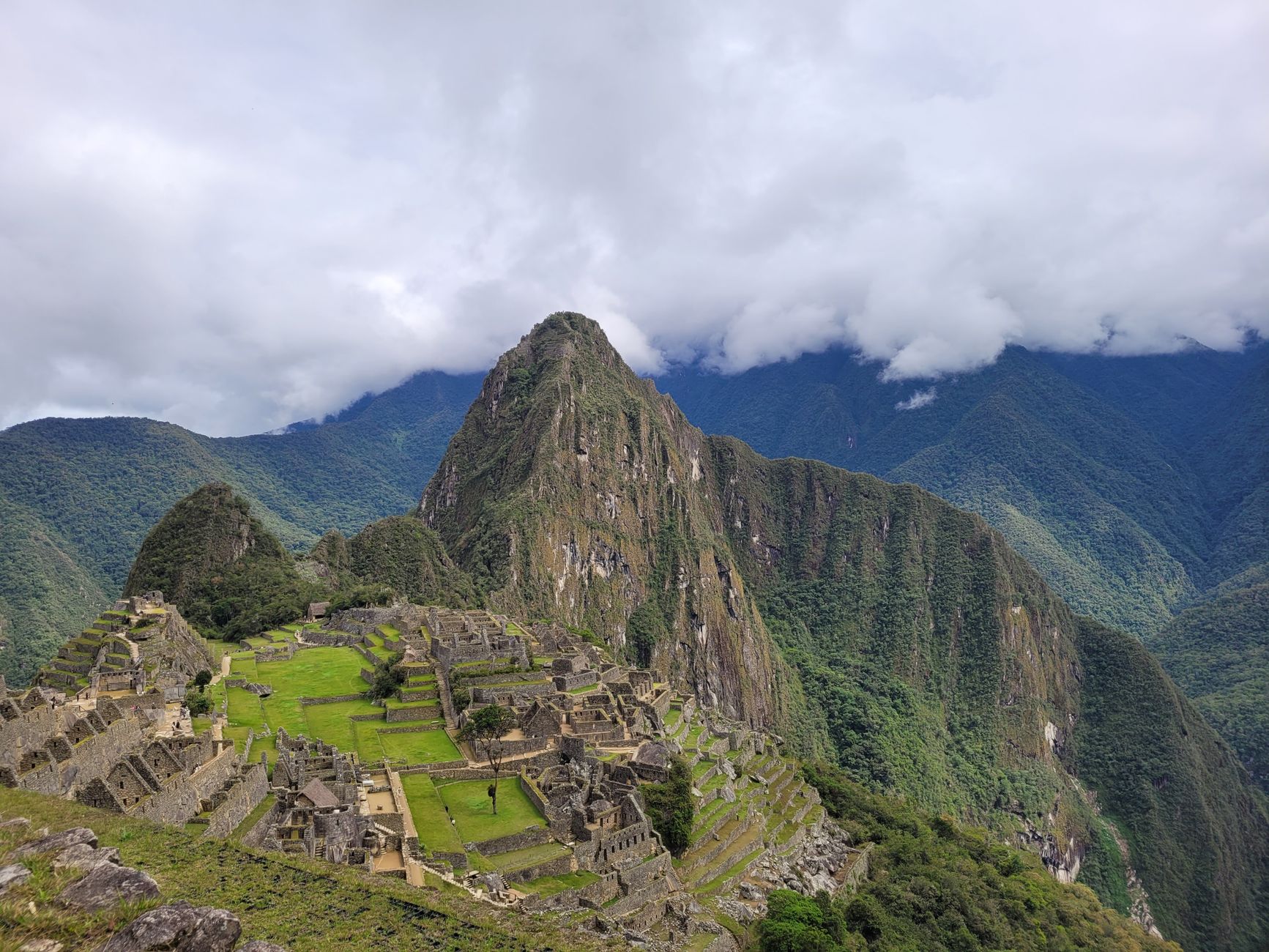
Peru is the kind of place that gets under your skin. One day you are eating ceviche at a hole-in-the-wall spot in Lima, and the next you are watching the sun creep over Machu Picchu with mist rolling through the valley below. It is stunning, chaotic, and completely unforgettable. But here is the thing: if you want to share those moments, book last-minute trains to Aguas Calientes, or just pull up Google Maps in Cusco, you are going to need reliable mobile data.
Buying a local SIM in Peru means finding a Claro or Movistar shop, standing in line, showing your passport, and hoping they have a tourist plan available. Or you could skip all of that and grab a Peru eSIM from getesimonline.com before your flight even lands.
Why eSIM Makes Sense for Peru
Peru is not a small country. You will probably hit Lima, fly to Cusco, take a bus to Ollantaytambo, train to Machu Picchu, and maybe head south to Lake Titicaca or into the Amazon near Puerto Maldonado. That is a lot of ground to cover, and connectivity varies wildly between cities and rural areas.
An eSIM connects you to Peru's top carriers like Claro and Movistar the moment you land. No shop visits, no language barriers, no wasted morning sorting out a SIM card. You activate it on your phone and you are online within minutes.
Most Peru eSIM plans on getesimonline.com start around $5 for 1 GB and go up to 10 GB or more for longer trips. A two-week Cusco and Lima trip? 5 GB will cover you comfortably unless you are video calling every day.
Coverage in Lima
Lima is straightforward. You will get solid 4G LTE across Miraflores, Barranco, San Isidro, and the historic centre. Streaming, video calls, uploading photos from your ceviche crawl through Surquillo market -- it all works fine. Speeds typically hit 20-40 Mbps on Claro's network in central Lima, which is more than enough for anything short of downloading movies.
Uber and taxi apps work flawlessly here, and you will want them. Lima traffic is legendary, and having a ride app ready beats haggling with drivers in Miraflores.
Staying Connected in Cusco and the Sacred Valley
Cusco city itself has decent 4G coverage. The Plaza de Armas area, San Blas neighbourhood, and main streets all have strong signal. You will be able to research restaurants, check altitude sickness tips (drink that coca tea), and coordinate with tour operators without issues.
The Sacred Valley gets patchier. Towns like Ollantaytambo and Pisac have coverage, but once you are out on the trails or between villages, expect signal to drop. Moray and the salt mines at Maras? Spotty at best. Download your offline maps before heading out.
On the train to Aguas Calientes, signal comes and goes. Don't count on streaming during the ride, but you will get enough connection to send messages at stops.
Machu Picchu: What to Expect
Here is something most travel blogs won't tell you: there is actually cell signal at Machu Picchu itself. It is not blazing fast, but Claro has a tower nearby and you can typically get enough bars to post a photo or send a WhatsApp message. Don't rely on it for video calls, but basic data works more often than not.
In Aguas Calientes (the town at the base), coverage is solid. You can book your bus up the mountain, check weather forecasts, and upload your sunrise shots to Instagram from any of the cafes along the river.
Beyond the Tourist Trail
Heading to Arequipa? Strong 4G throughout the city. The Colca Canyon is a different story. You will lose signal for most of the trek but regain it in Chivay and Cabanaconde.
Lake Titicaca and Puno have reliable coverage in town. The floating Uros Islands? Surprisingly, yes, you can usually get a signal there.
The Amazon region around Puerto Maldonado has coverage in town but virtually nothing once you are at a jungle lodge. Download everything you need beforehand.
How Much Data Do You Need?
For a typical 10-14 day Peru trip covering Lima, Cusco, and Machu Picchu:
- Light user (maps, messaging, email): 2-3 GB
- Moderate user (social media, some video): 5 GB
- Heavy user (lots of uploads, video calls): 8-10 GB
Wi-Fi is available at most hotels and hostels in tourist areas, though quality varies. The nicer spots in Miraflores and Cusco city centre tend to have decent connections. Budget hostels? Hit or miss.
Setting Up Your Peru eSIM
The process takes about five minutes:
- Check your phone supports eSIM (most iPhones from XR onward, Samsung Galaxy S20 and newer, Google Pixel 3 and up)
- Browse Peru eSIM plans at getesimonline.com
- Pick a data plan that matches your trip length
- Scan the QR code or install the eSIM profile
- Land in Lima, enable data roaming on the eSIM line, and you are connected
Keep your physical SIM active in your other slot if you want to receive calls and texts on your home number. Your eSIM handles data, your regular SIM handles calls. Simple.
Quick Tips for Peru Connectivity
Download offline maps for every region you plan to visit. Google Maps lets you save entire areas. Do this over Wi-Fi before you leave.
WhatsApp is the primary communication tool in Peru. Tour companies, restaurants, and even some hotels prefer it over email. Having data for WhatsApp is basically non-negotiable.
If you are trekking the Inca Trail (the multi-day version), you won't have signal for most of it. Four days without data. It is actually kind of nice.
Peru is an incredible trip, and sorting out your connectivity beforehand means one less thing to worry about when you land. Grab your eSIM, pack your altitude sickness pills, and get ready for one of the best trips of your life.
Get Your eSIM for Peru
See our Peru eSIM plans for Lima, Cusco, and Machu Picchu. Continuing to Bolivia or Colombia?
Ready to get connected?
Browse affordable eSIM data plans for 200+ countries. Instant activation, no roaming fees.
Browse eSIM PlansTraveling to Peru?
Browse affordable eSIM data plans for Peru. Plans start from $3.54. Instant activation, no roaming fees.