The public WiFi problem
That free WiFi at the airport, hotel lobby, or coffee shop? It's the easiest way for someone to intercept your data. Public networks are unencrypted by default. Anyone with basic tools can see what websites you visit, capture login credentials, and intercept email content.
This isn't theoretical. WiFi interception attacks at airports and tourist areas are well-documented. Travelers are prime targets because they're often accessing banking apps, booking sites, and email on unfamiliar networks.
How eSIM protects you
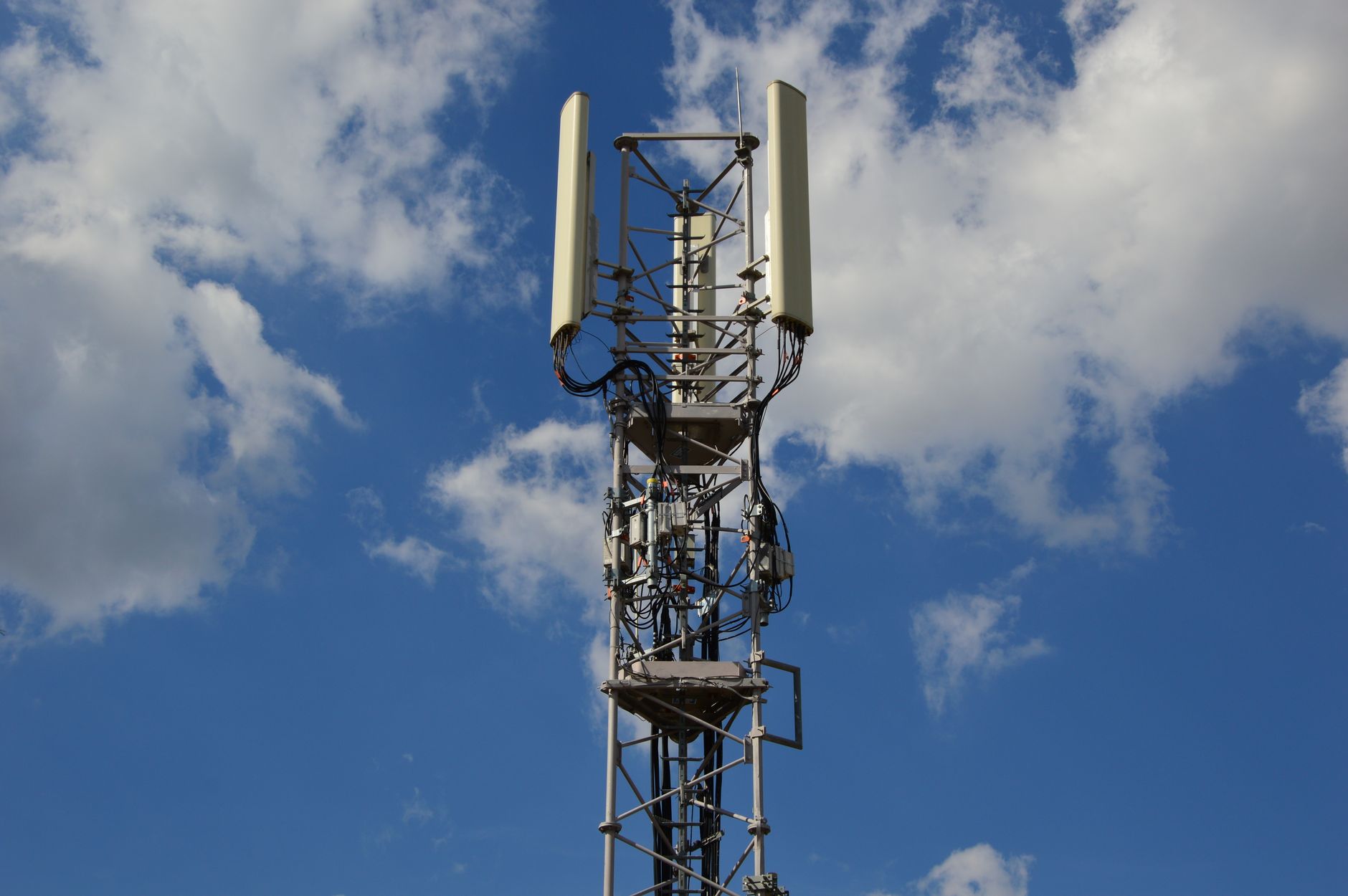
When you use an eSIM for mobile data, your connection goes through the cellular network, not through a shared WiFi access point. Cellular connections are encrypted between your phone and the cell tower. Nobody sitting nearby can sniff your traffic.
This doesn't make you invincible. You should still use HTTPS websites and a VPN for sensitive tasks. But it eliminates the single biggest vulnerability travelers face: public WiFi.
Can your eSIM be hacked?
eSIM profiles are stored in a secure element within your phone, similar to how Apple Pay stores card data. They can't be physically removed, cloned, or swapped without your phone password. This actually makes eSIMs more secure than physical SIM cards, which can be popped out and inserted into another device.
SIM swap attacks and eSIM
SIM swap fraud is a real threat with traditional SIM cards. A criminal convinces your carrier to transfer your number to a new SIM, then uses it to receive your 2FA codes and access your accounts. It's happened to thousands of people, including high-profile cases with cryptocurrency holders losing millions.
eSIMs are significantly harder to SIM swap. The profile is tied to the device's secure element and can't be transferred to another device without authentication through the eSIM provider. There's no physical card to intercept or replace. While no system is completely bulletproof, eSIM removes the easiest attack vector that traditional SIM swapping relies on.
Privacy considerations
When you use a travel eSIM, your internet traffic exits through the roaming carrier's network, typically in the country where the eSIM provider is based. This means your browsing appears to come from that country, not the one you're physically in. For most travelers, this has no practical impact. For those concerned about privacy, it can actually be a benefit.
VPN plus eSIM: the best combination
If you want maximum privacy while traveling, the ideal setup is eSIM data plus a VPN. The eSIM gives you a private cellular connection (no shared WiFi risks). The VPN encrypts your traffic end-to-end and masks your IP address. Together, they make it very difficult for anyone to monitor your online activity.
For VPN options, ProtonVPN has a solid free tier. Mullvad is excellent if you're willing to pay. NordVPN and ExpressVPN are the mainstream options. Any of them add a meaningful layer of privacy on top of your eSIM connection.
One thing to note: VPN connections use slightly more data than unencrypted connections (roughly 10-15% overhead for the encryption). Factor this into your data plan estimate if you plan to run a VPN full-time.
Country-specific privacy considerations
Some countries have more aggressive internet monitoring than others. China, Russia, Iran, and several other countries actively monitor internet traffic and may block certain services. A VPN helps in these situations, but some countries (China especially) actively block VPN protocols too. If you're heading to a country with internet restrictions, set up your VPN before you arrive and test that it works.
In China specifically, many standard VPN services don't work. ExpressVPN and Astrill are among the few that consistently bypass the Great Firewall. Install and configure them before entering the country - you won't be able to download them once you're there.
Protecting your accounts while traveling
Before any international trip, update your passwords for critical accounts (email, banking, cloud storage). Enable two-factor authentication everywhere you haven't already. Use a password manager (1Password, Bitwarden) so you don't need to type passwords manually in public places where someone might be looking over your shoulder.
Consider setting up travel alerts with your bank so they don't flag legitimate foreign transactions as fraud. Nothing is worse than having your card blocked while trying to pay for dinner in Tokyo because your bank thought the transaction was suspicious. A quick call or app notification before your trip prevents this.
If your phone is lost or stolen abroad, having data on a separate device (partner's phone, tablet) means you can remotely lock and wipe your phone immediately through Find My iPhone or Google Find My Device. Every minute counts in these situations.
Best practices for secure travel connectivity
- Use your eSIM cellular data instead of public WiFi whenever possible
- Enable two-factor authentication on all travel accounts before you leave
- Avoid accessing banking on public WiFi, even with a VPN
- Keep your phone operating system updated for the latest security patches
- Use a VPN on top of your eSIM connection for maximum privacy
- Don't connect to any WiFi network named "Free Airport WiFi" or similar in airports - these are often spoofed networks
Browse secure, affordable data plans at getesimonline.com/countries.
Browse eSIM Plans
Ready to buy? Check plans for top destinations: Japan, USA, UK, Thailand, or browse all countries.
Ready to get connected?
Browse affordable eSIM data plans for 200+ countries. Instant activation, no roaming fees.
Browse eSIM Plans